Biography
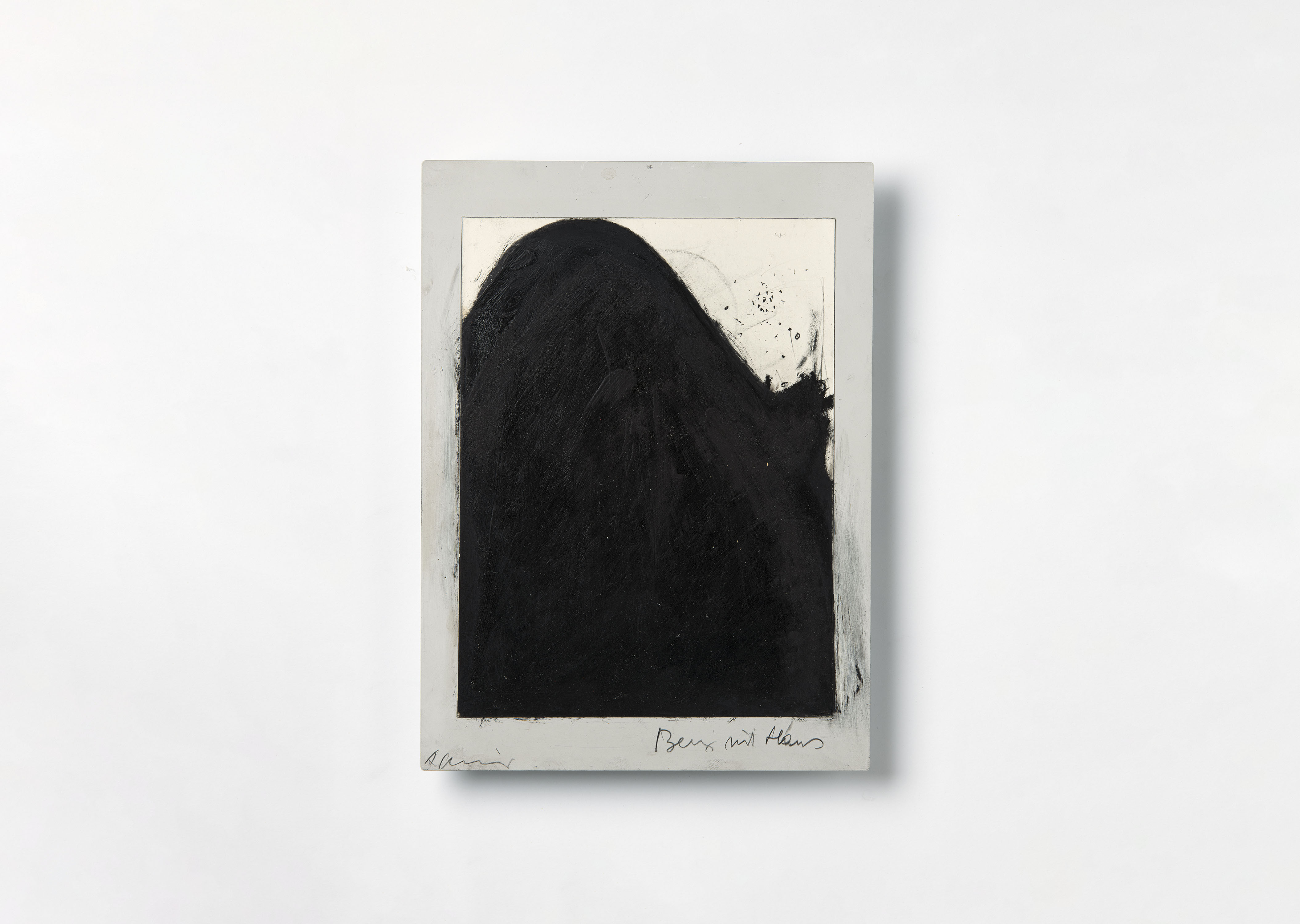
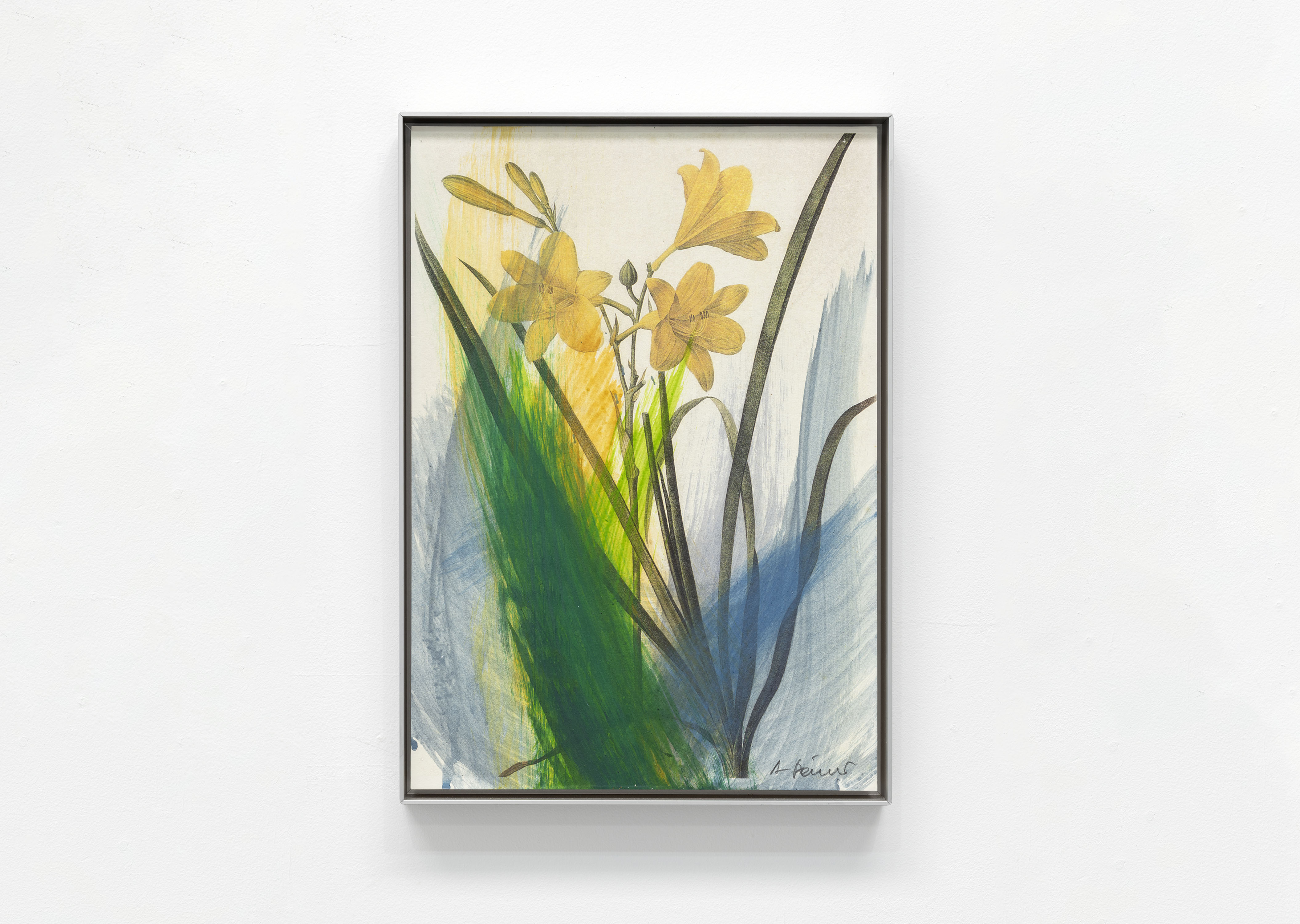
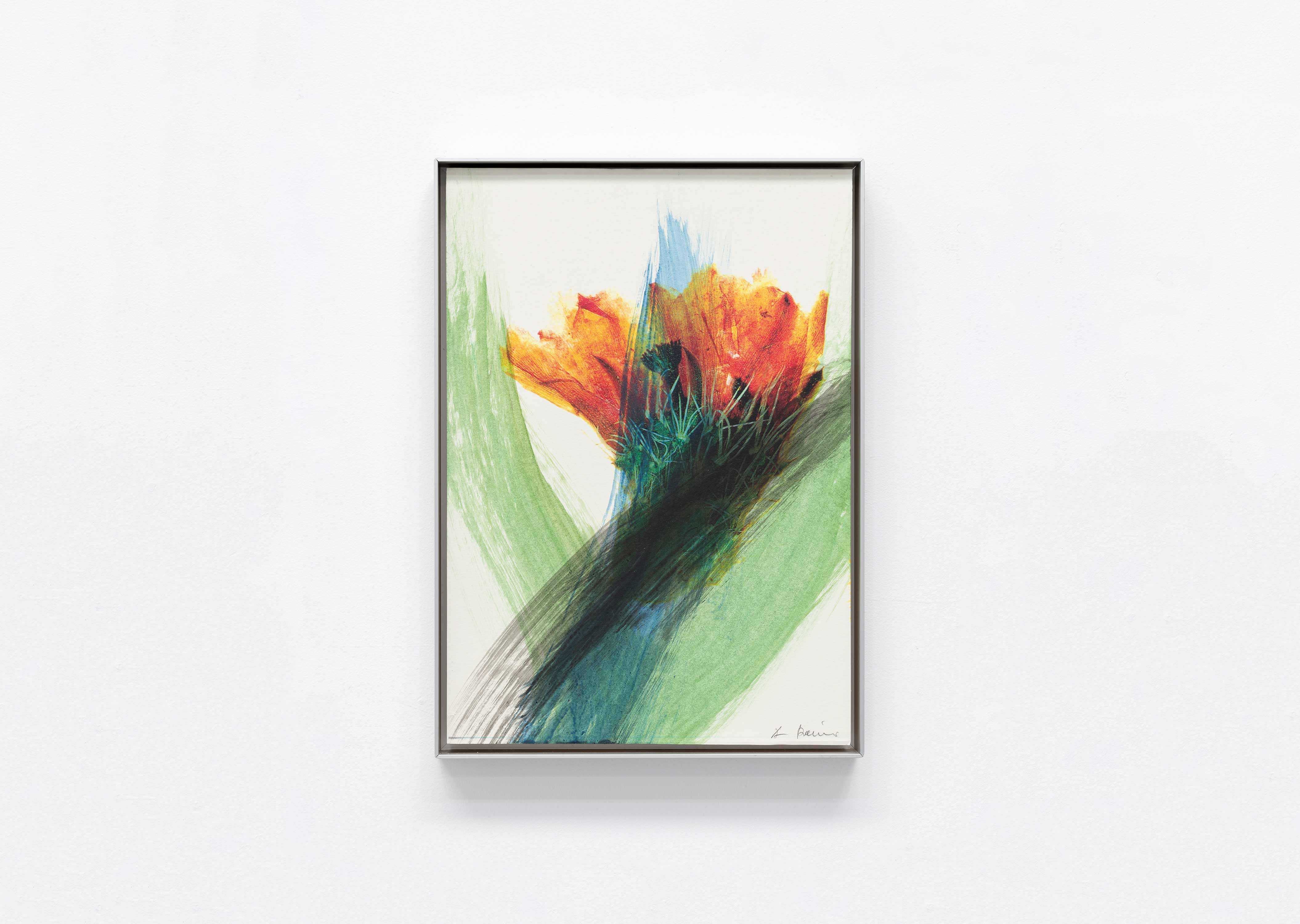
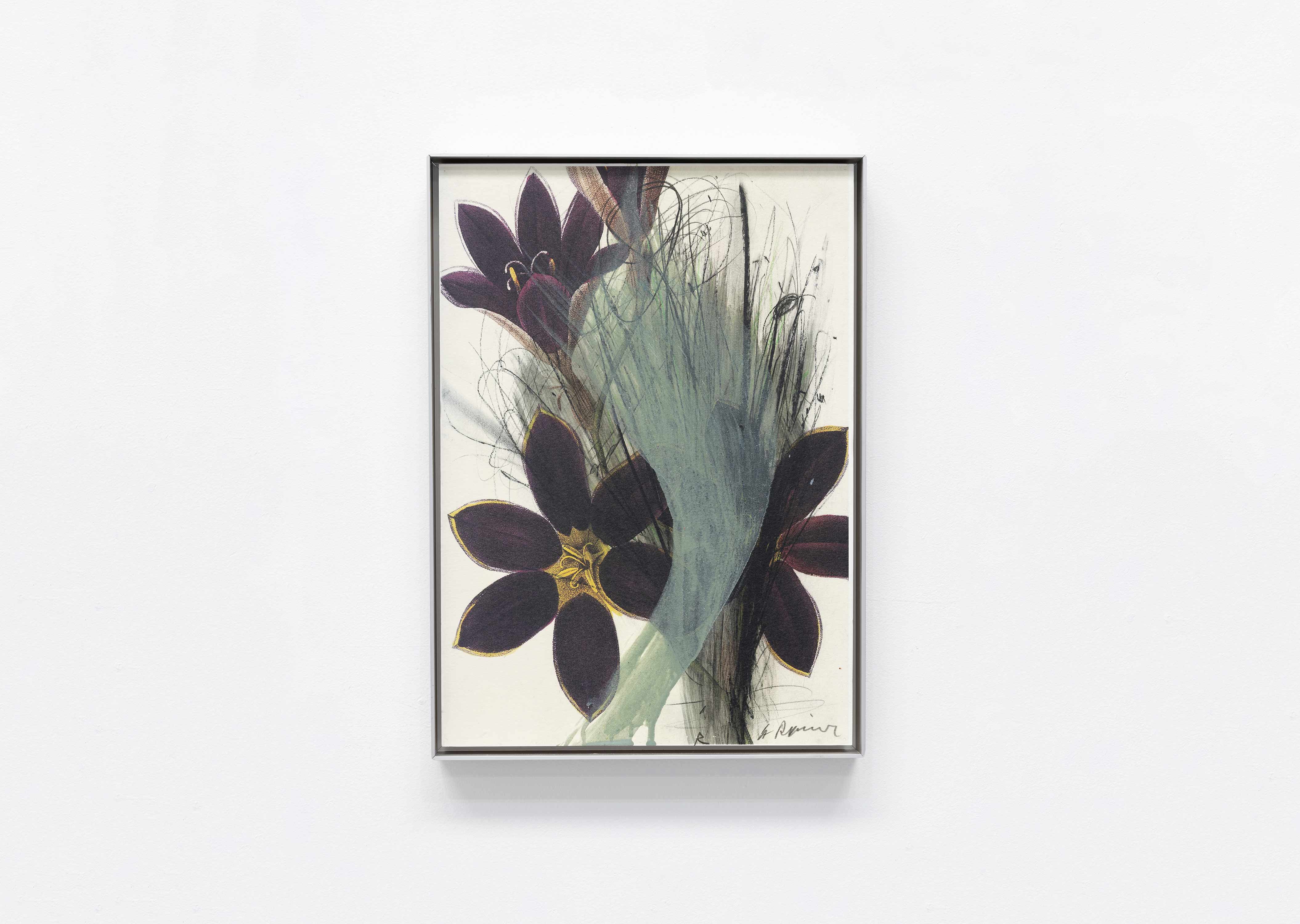
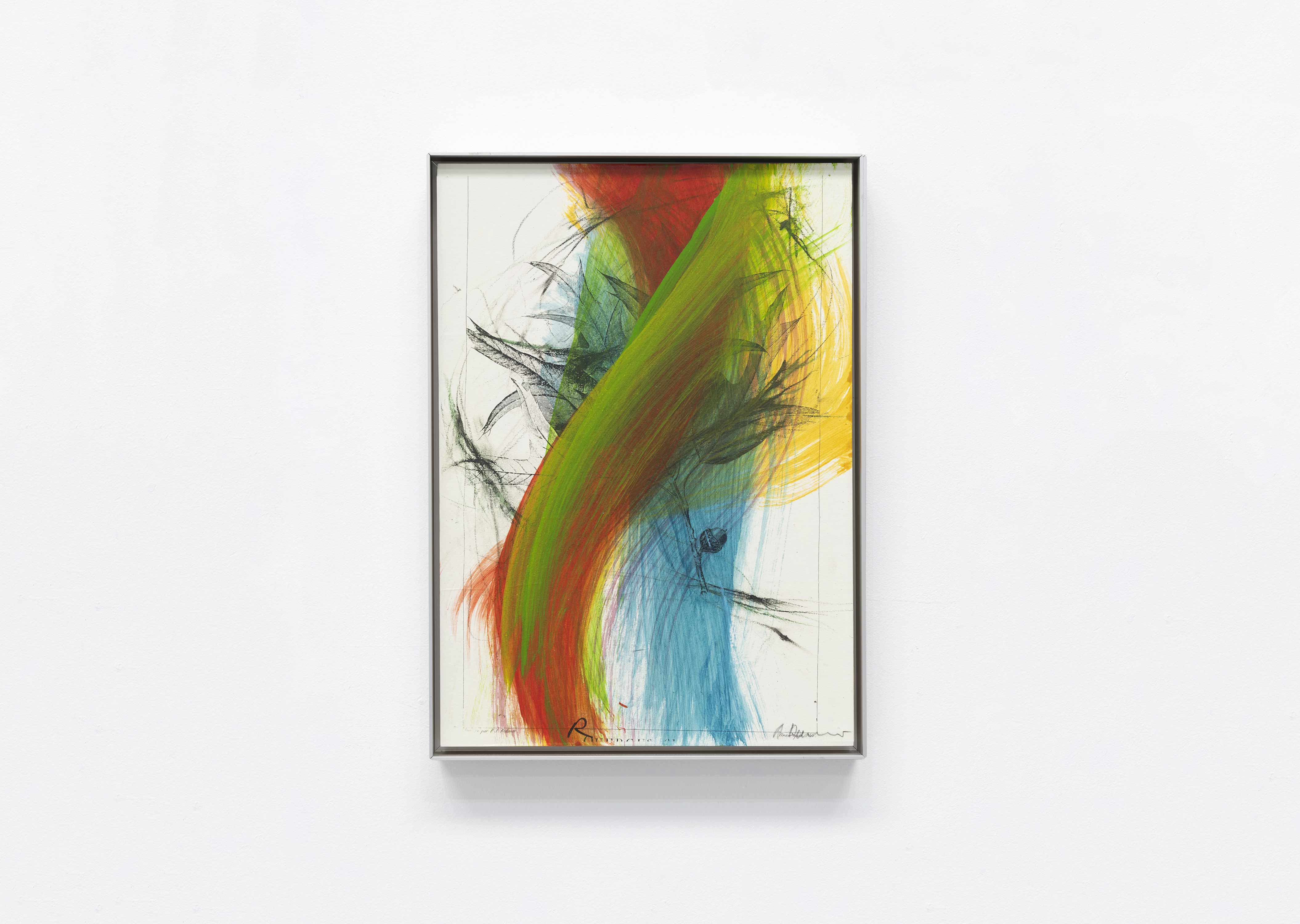
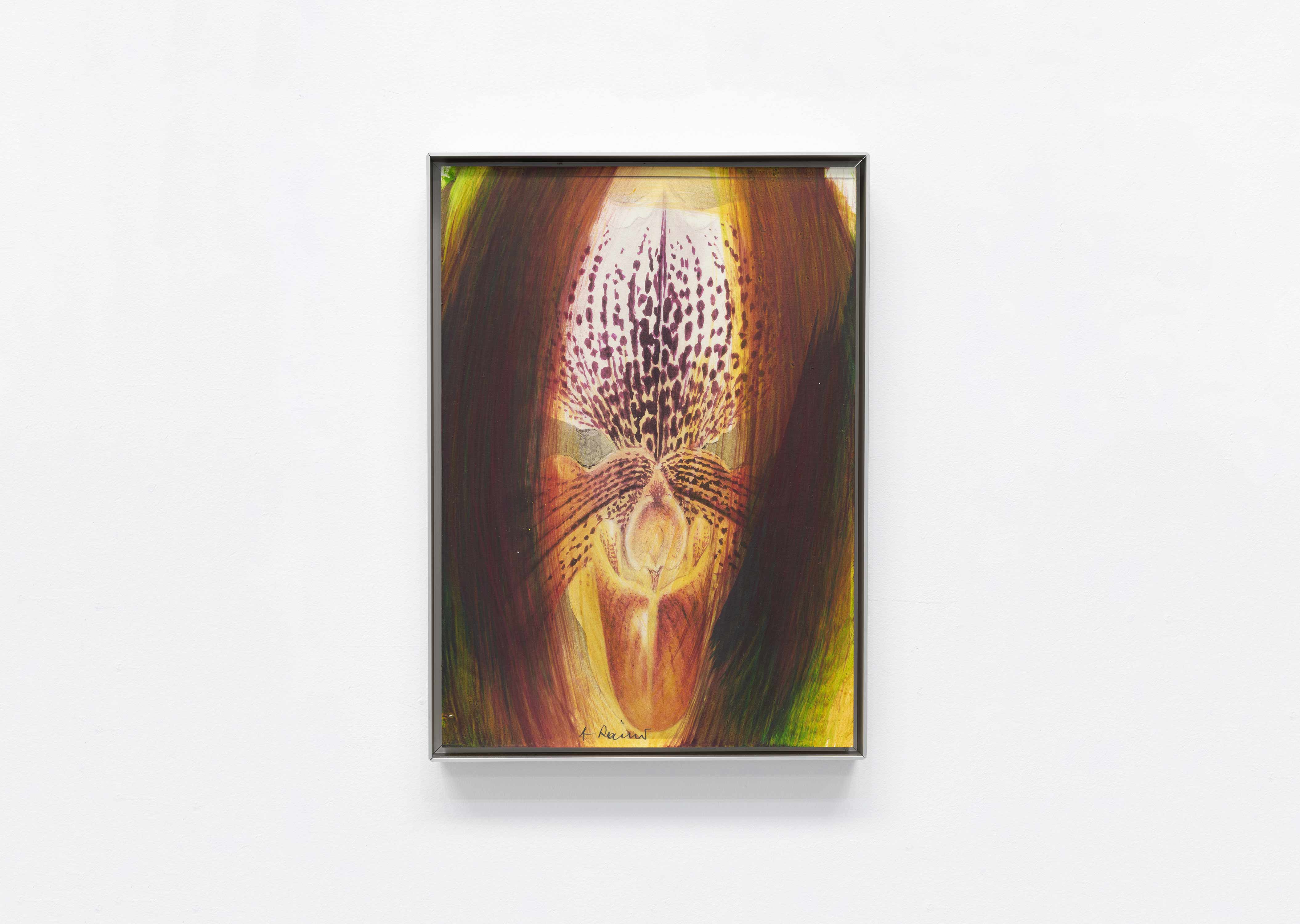
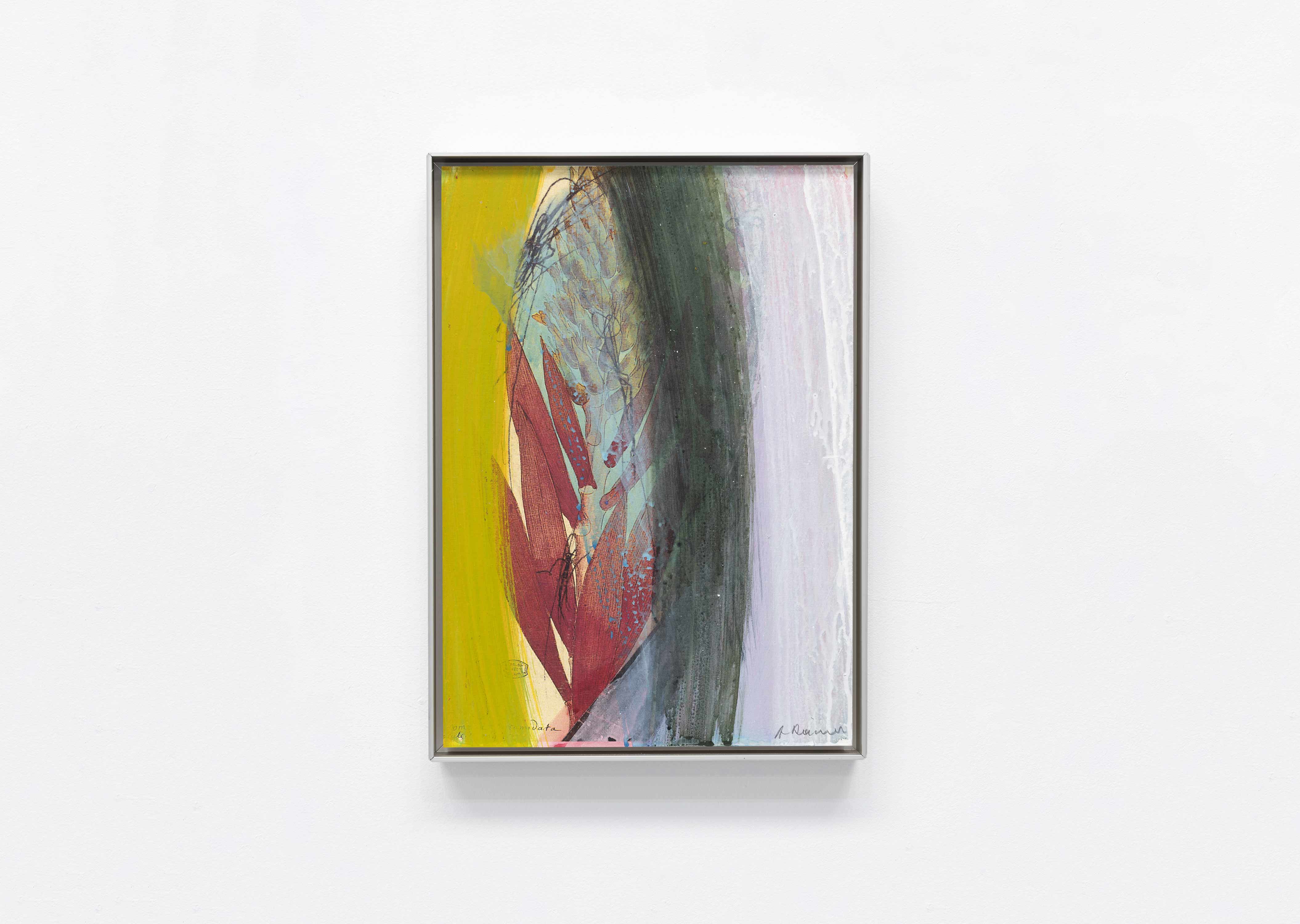
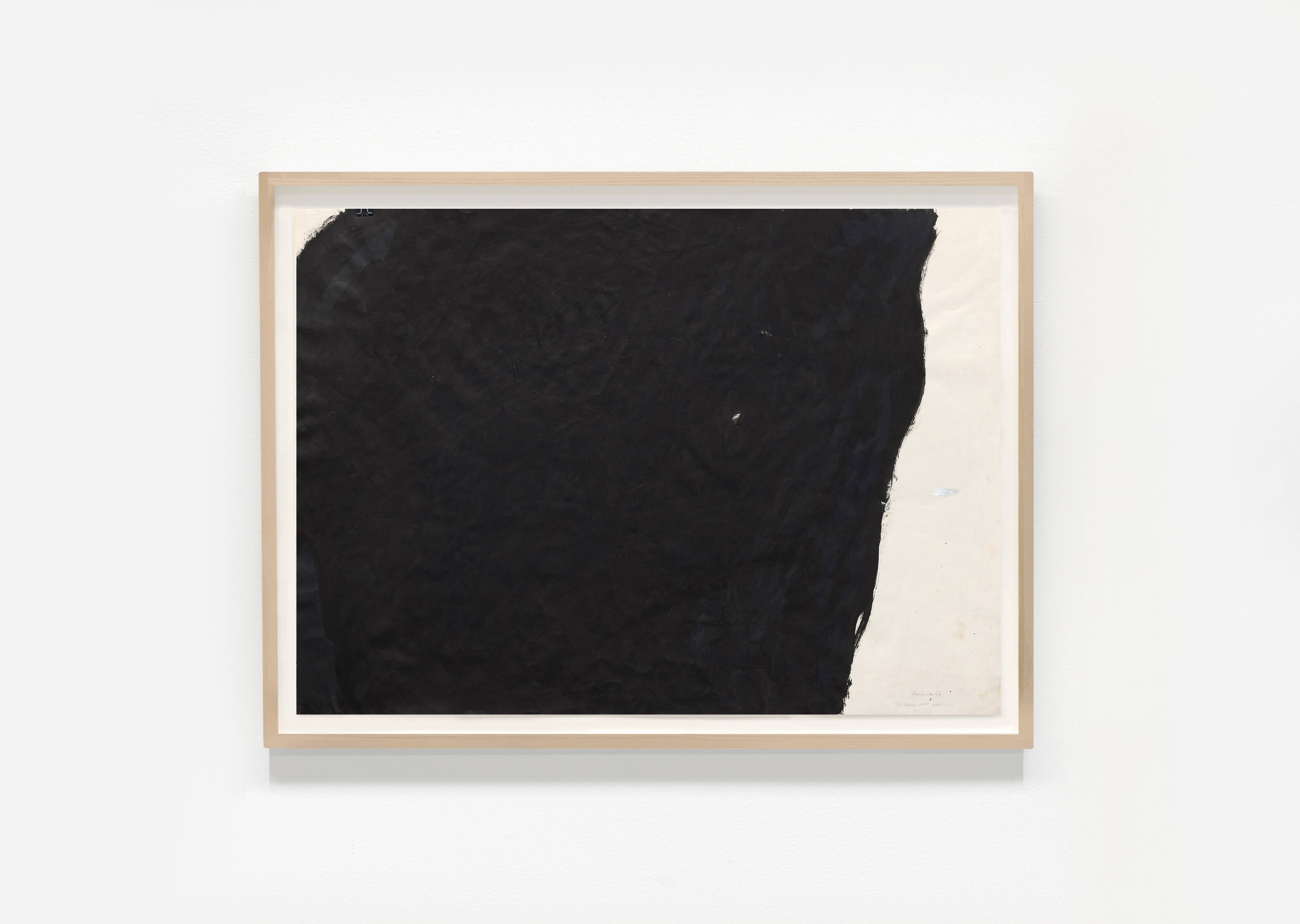
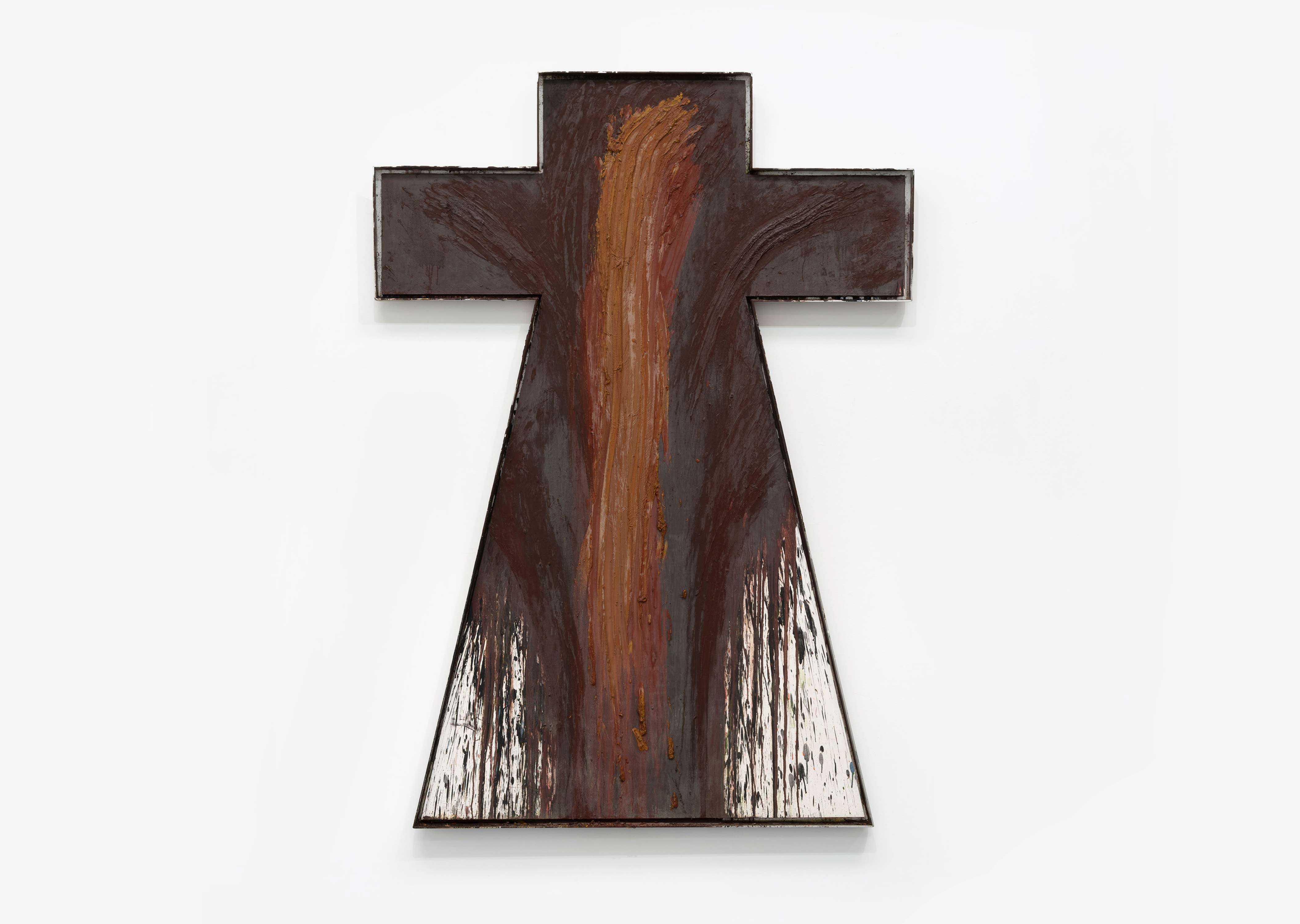
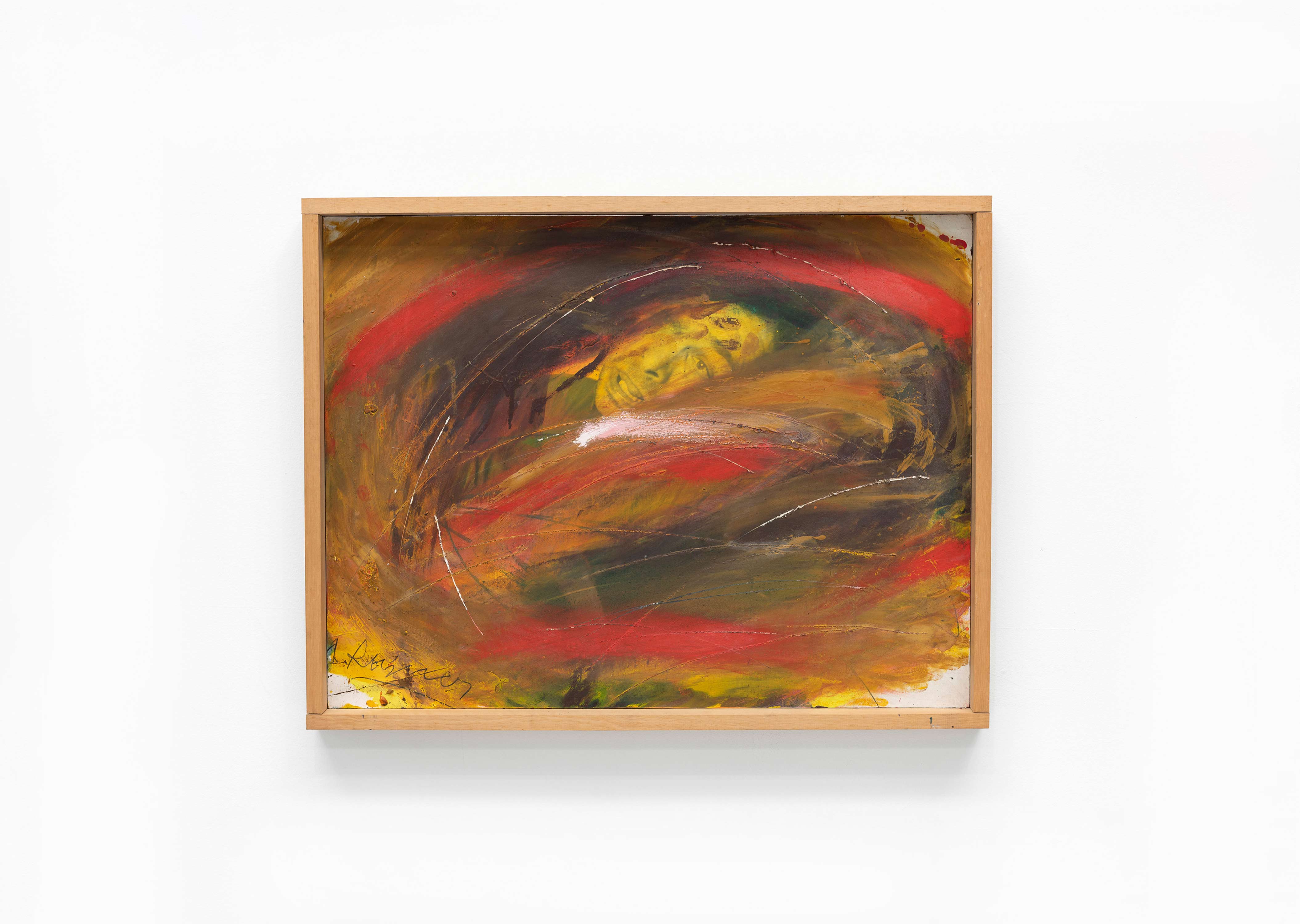
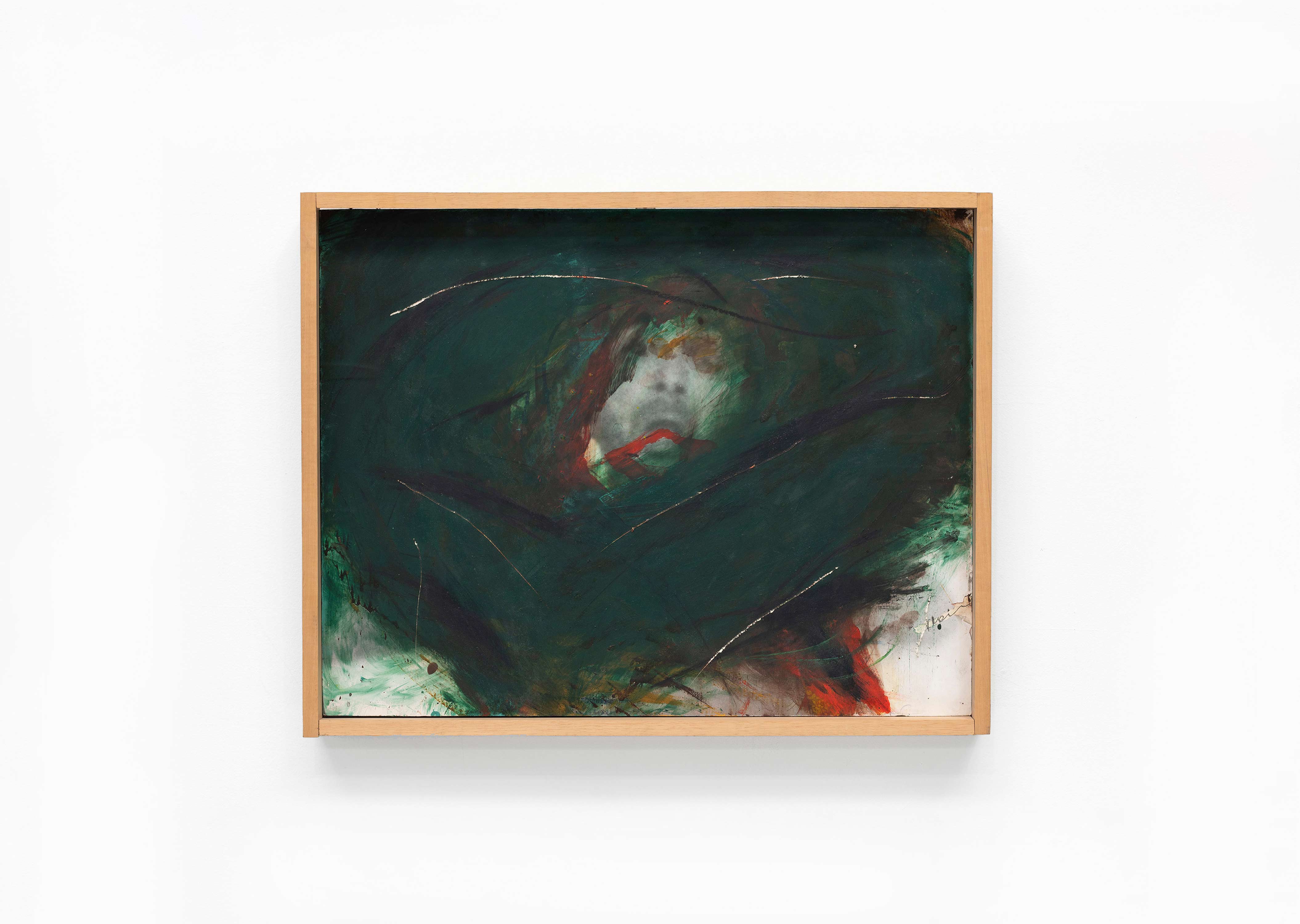
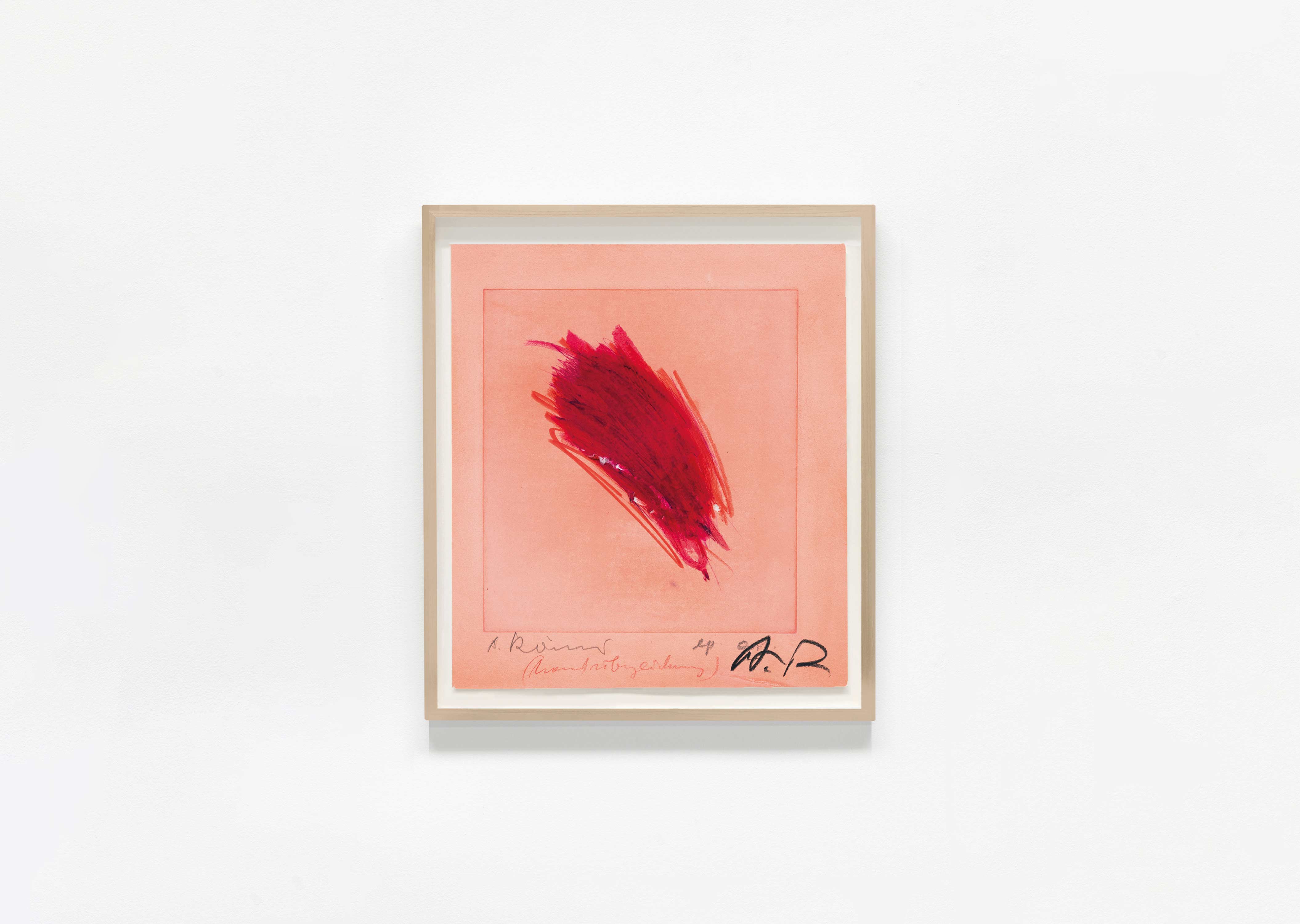
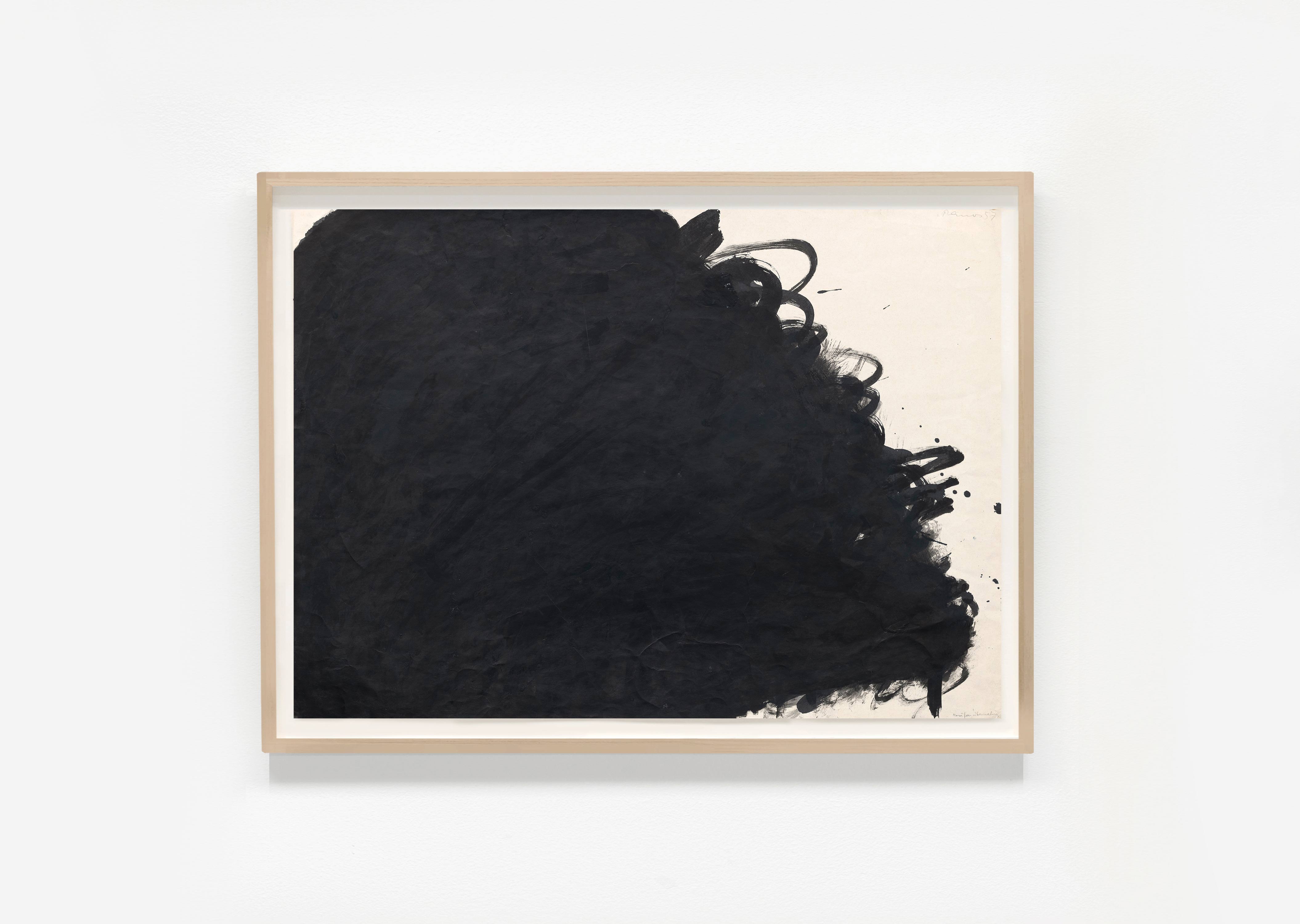
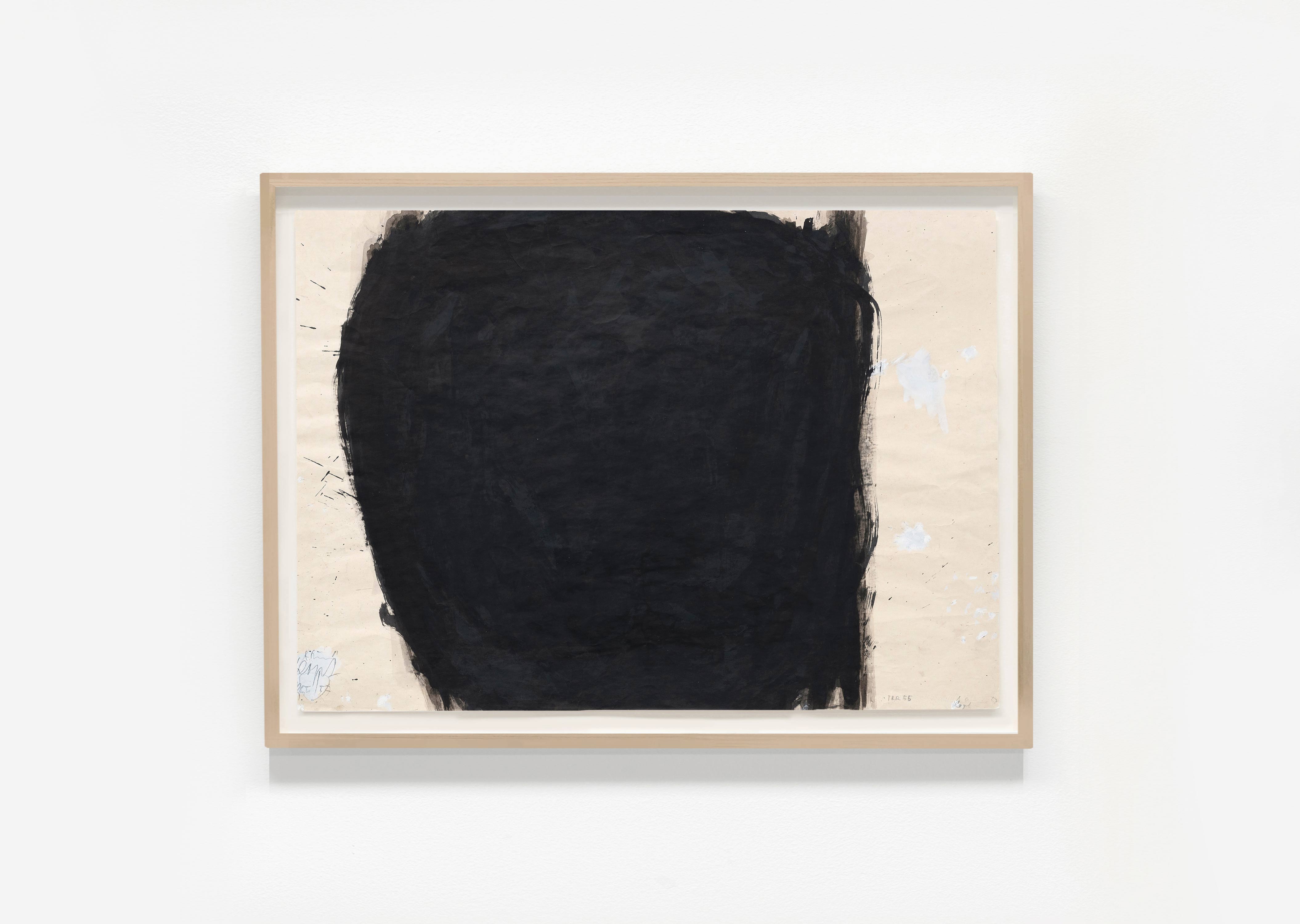
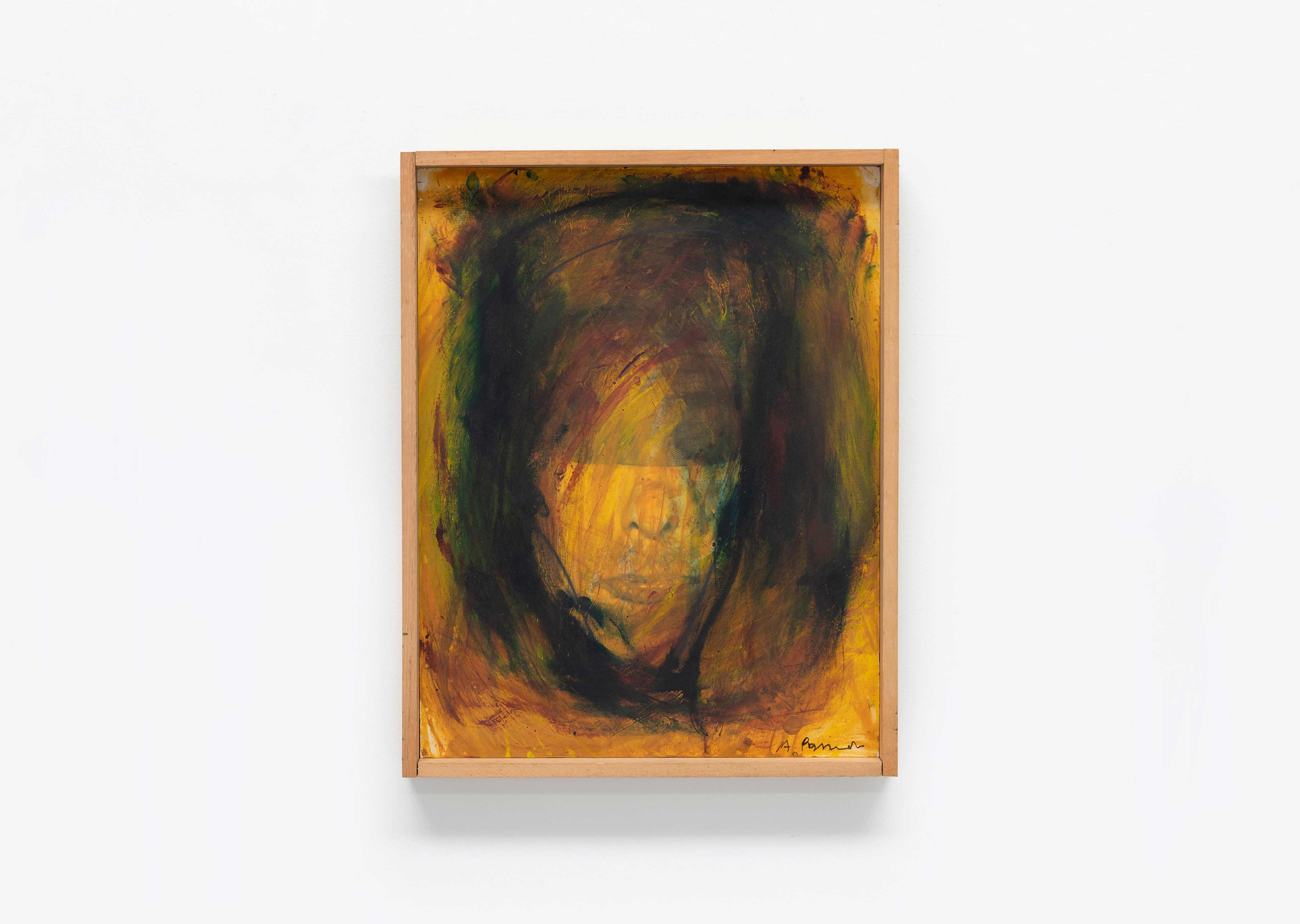
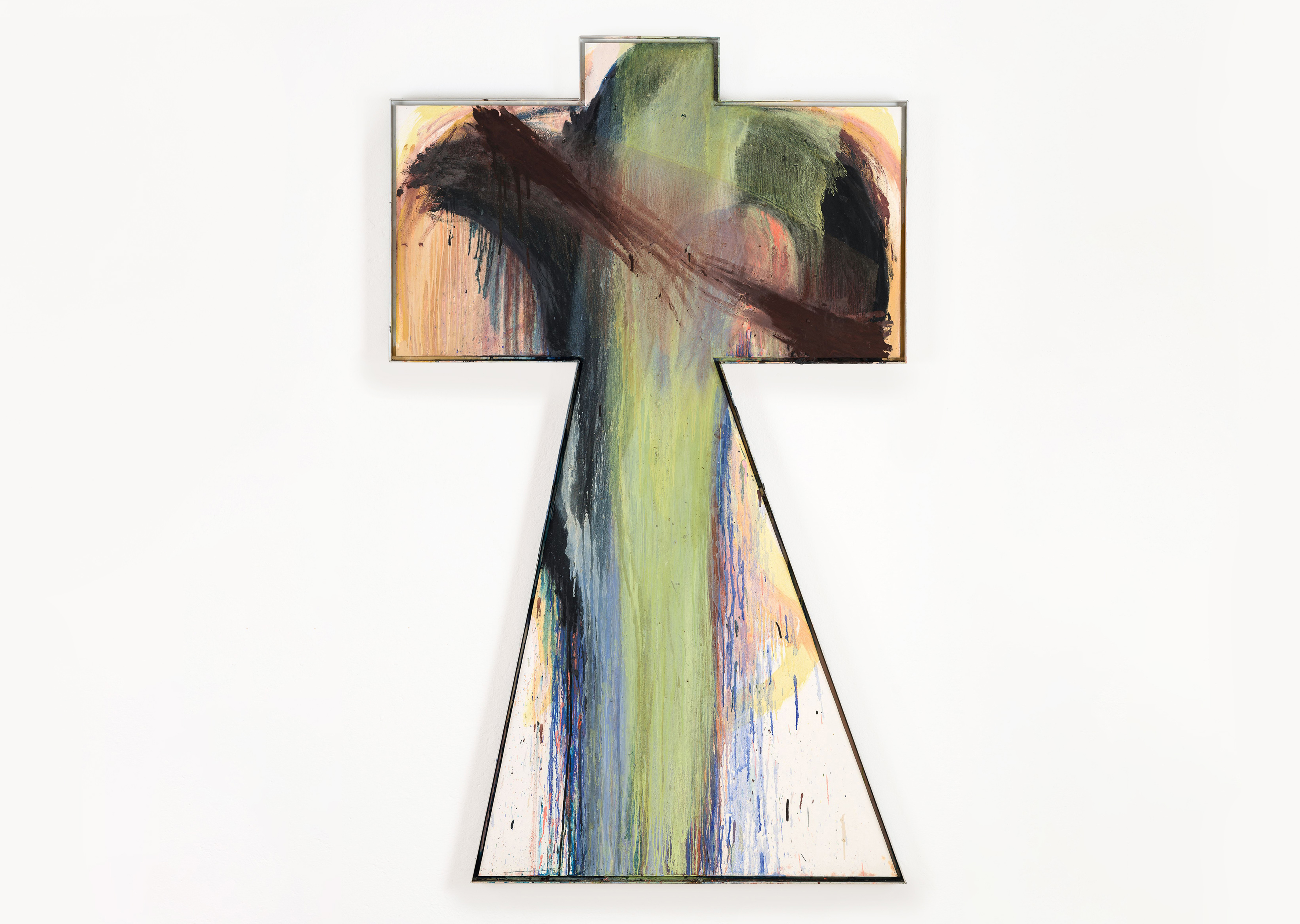
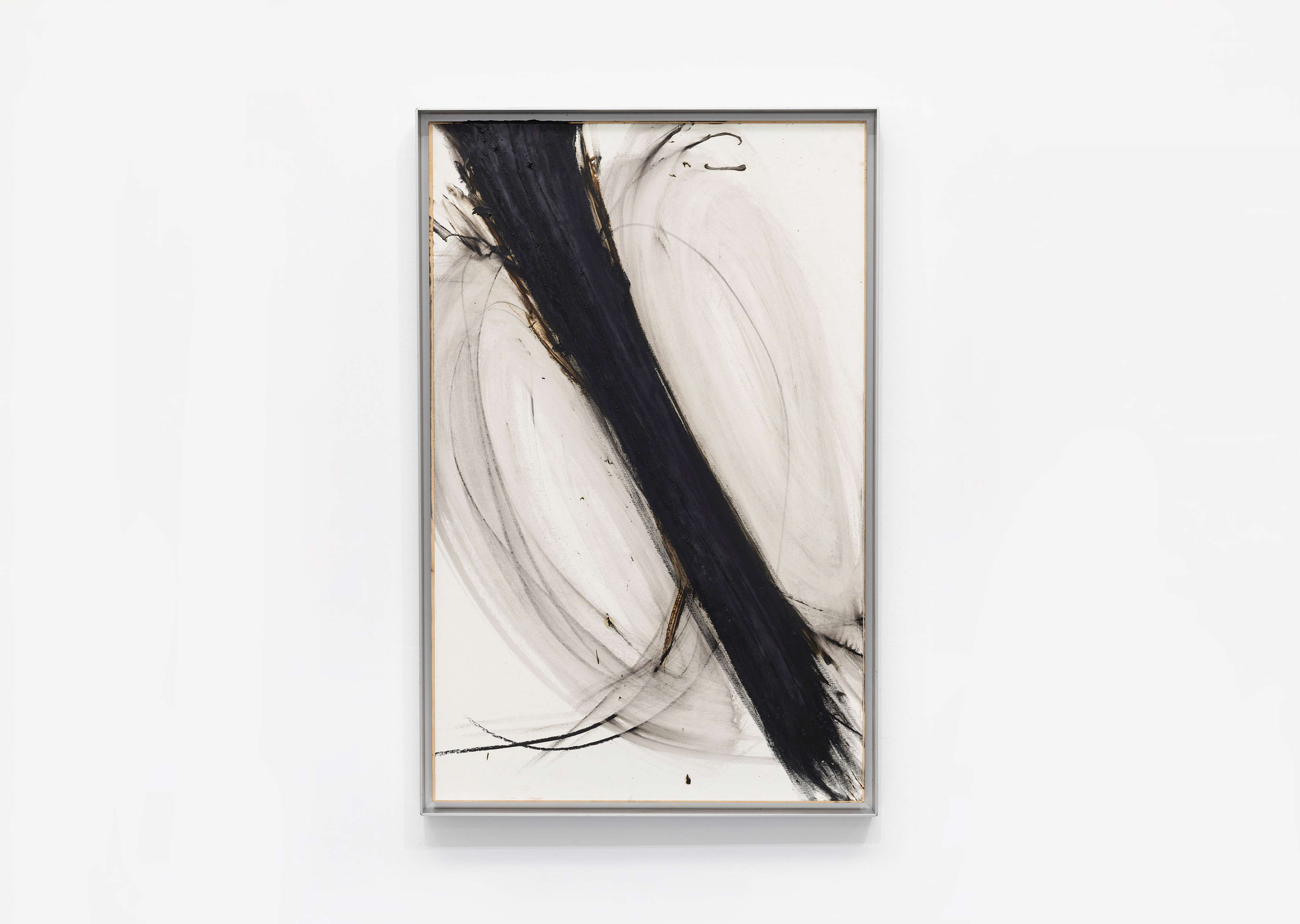
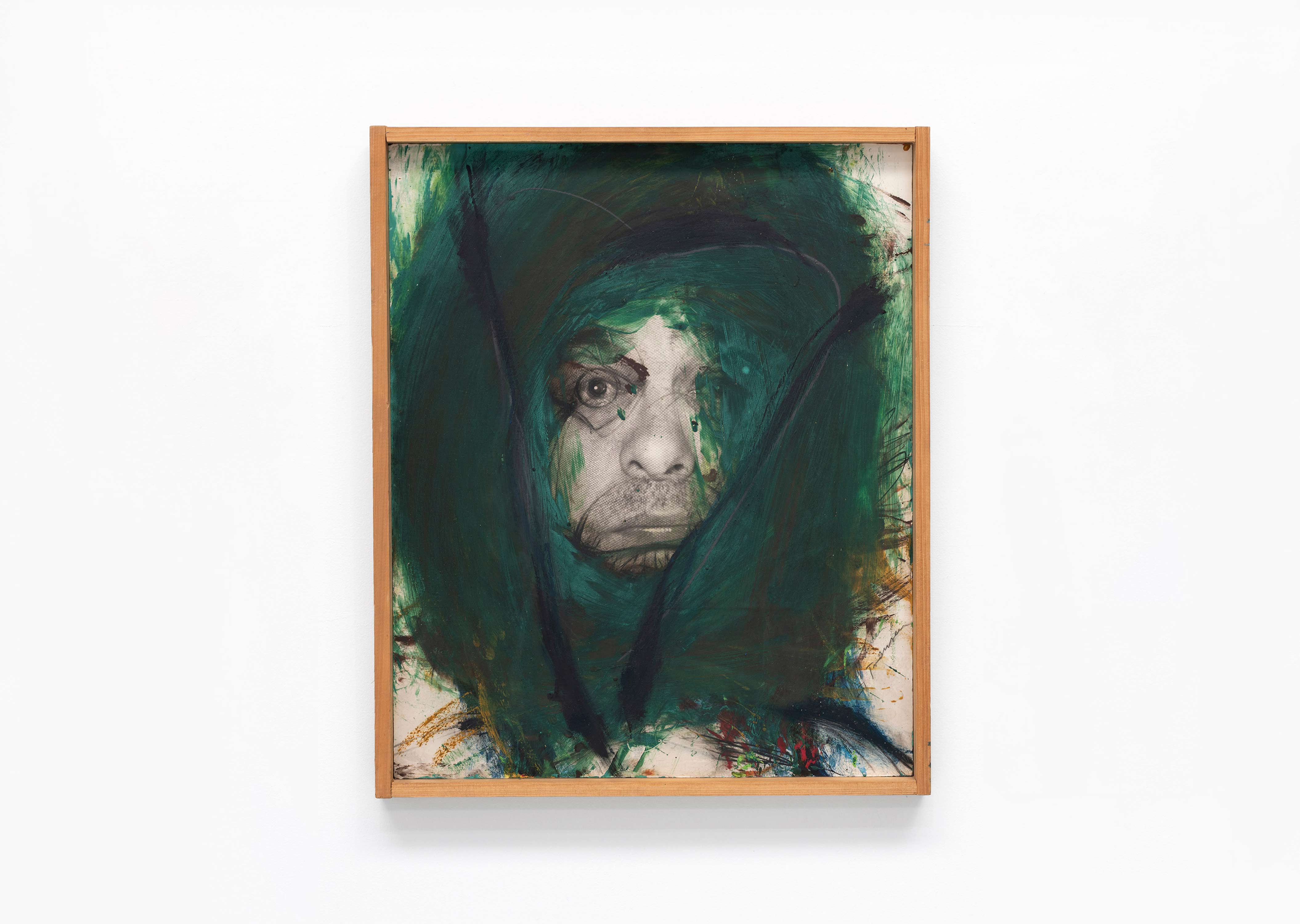
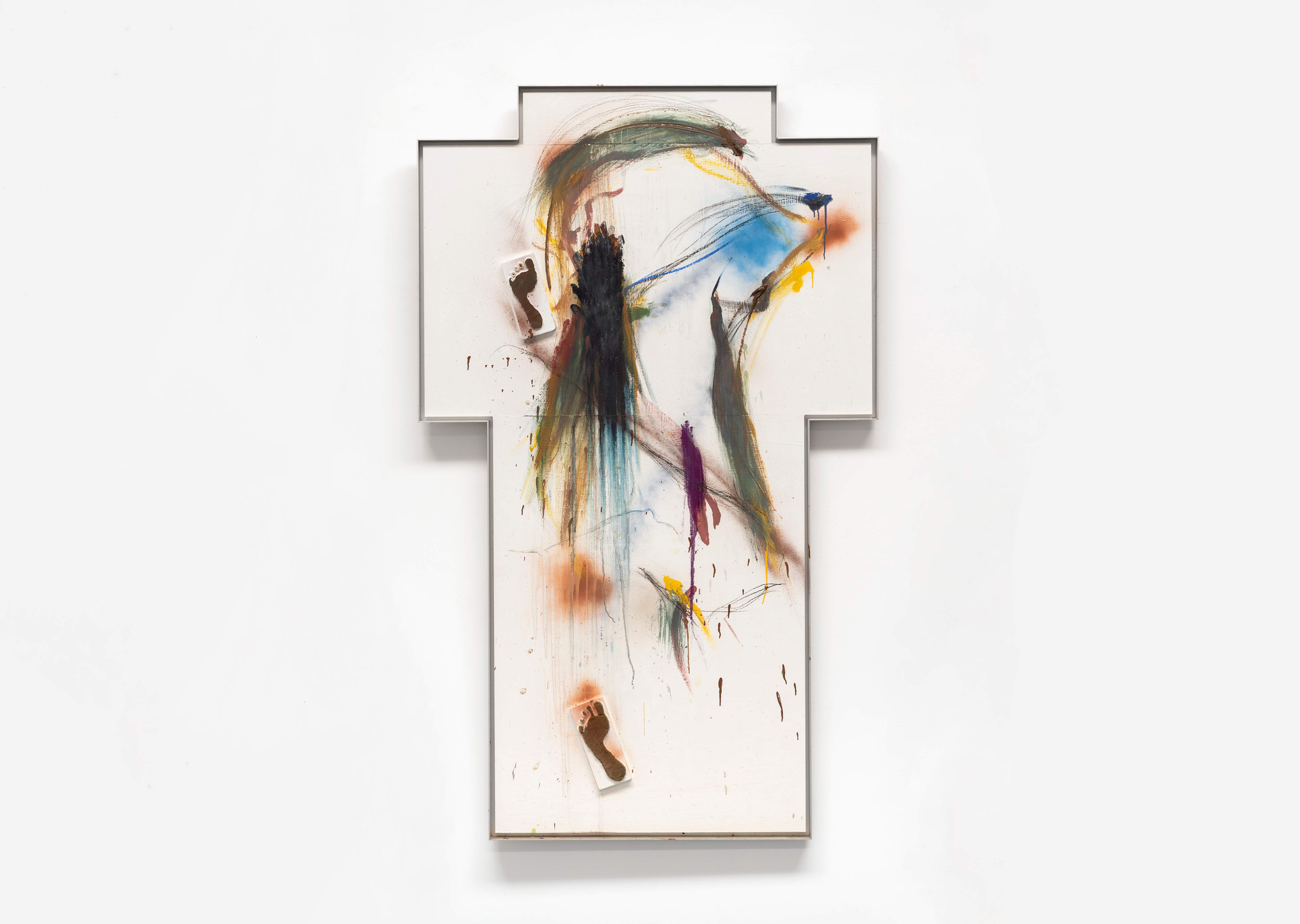
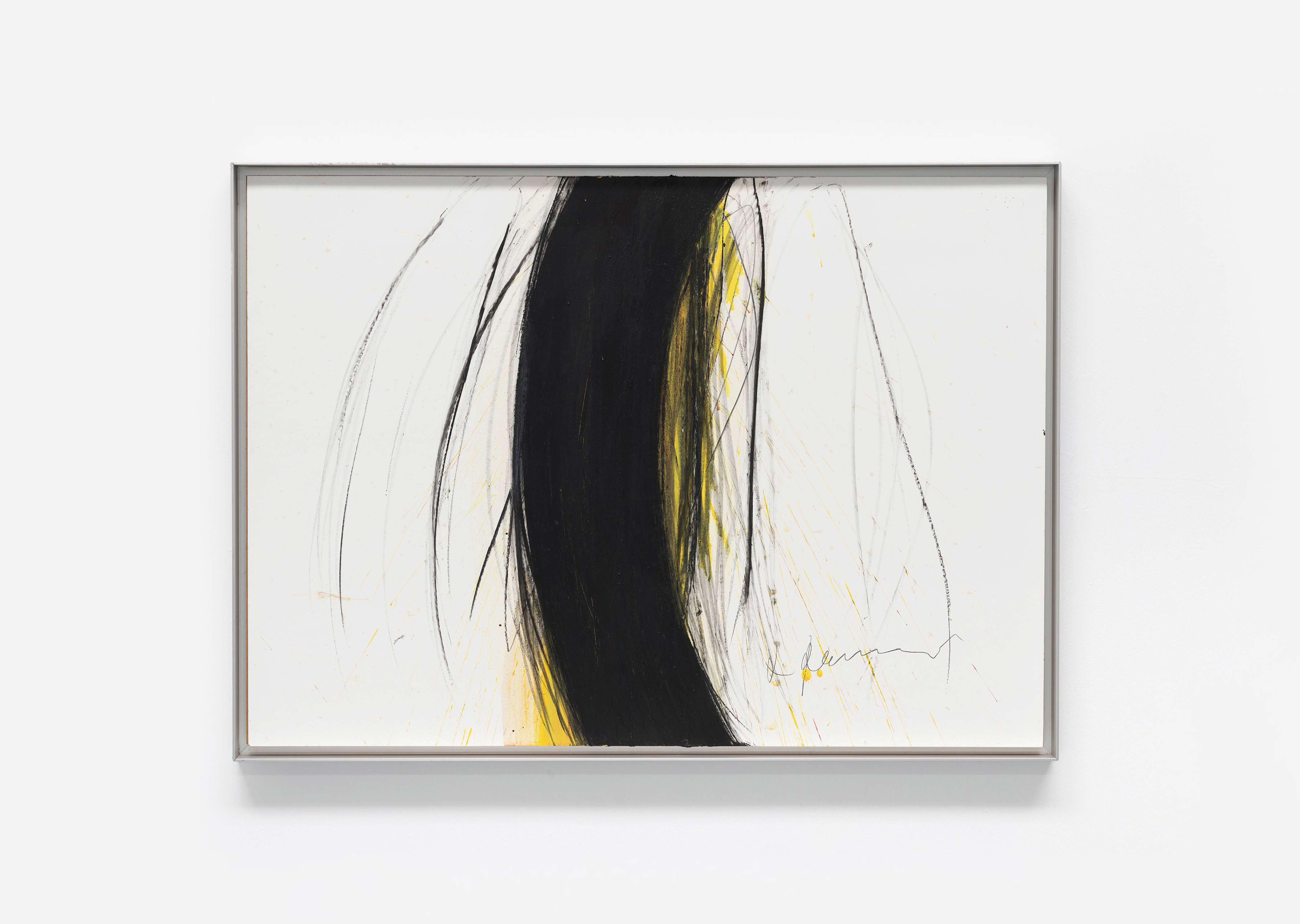
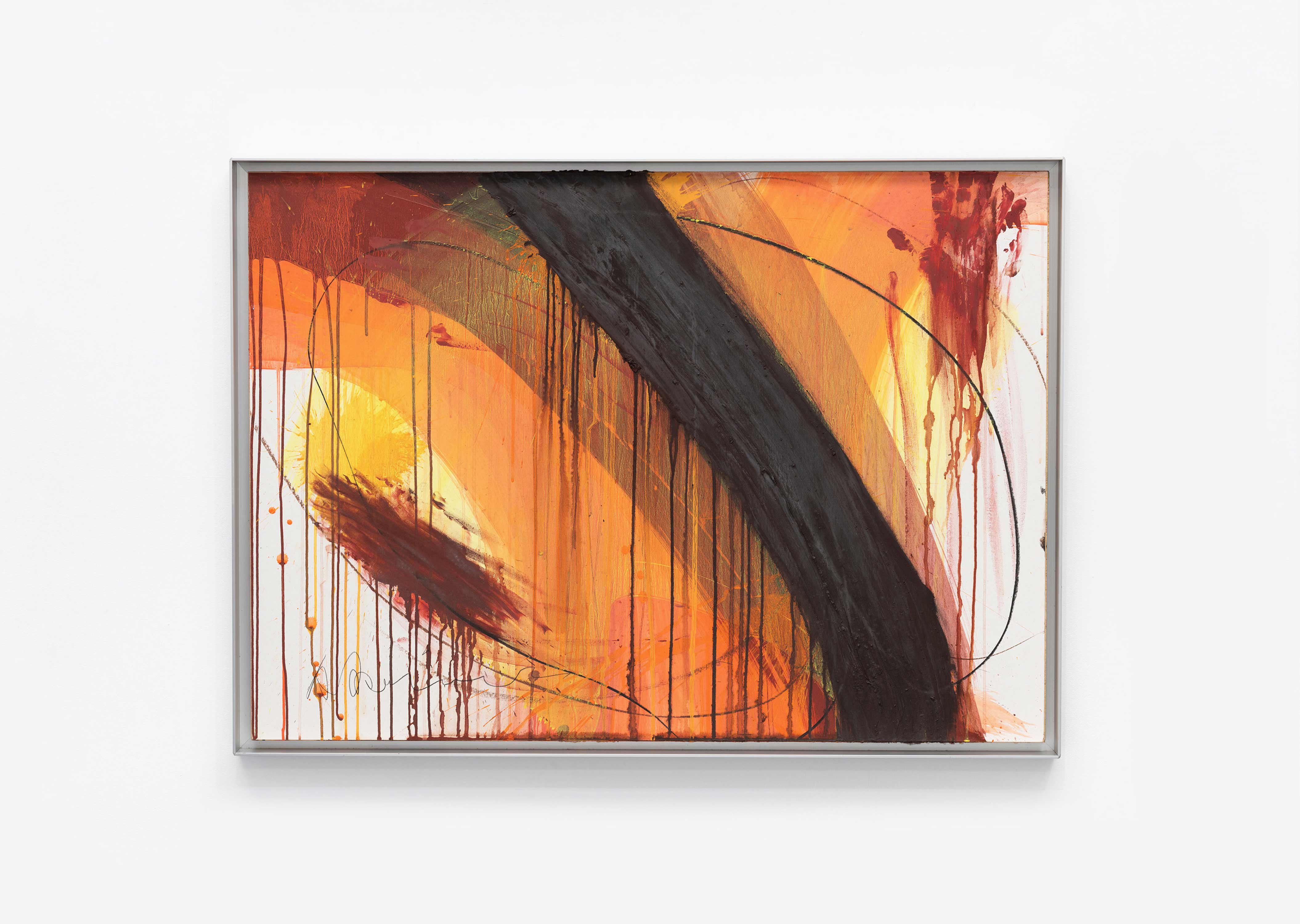
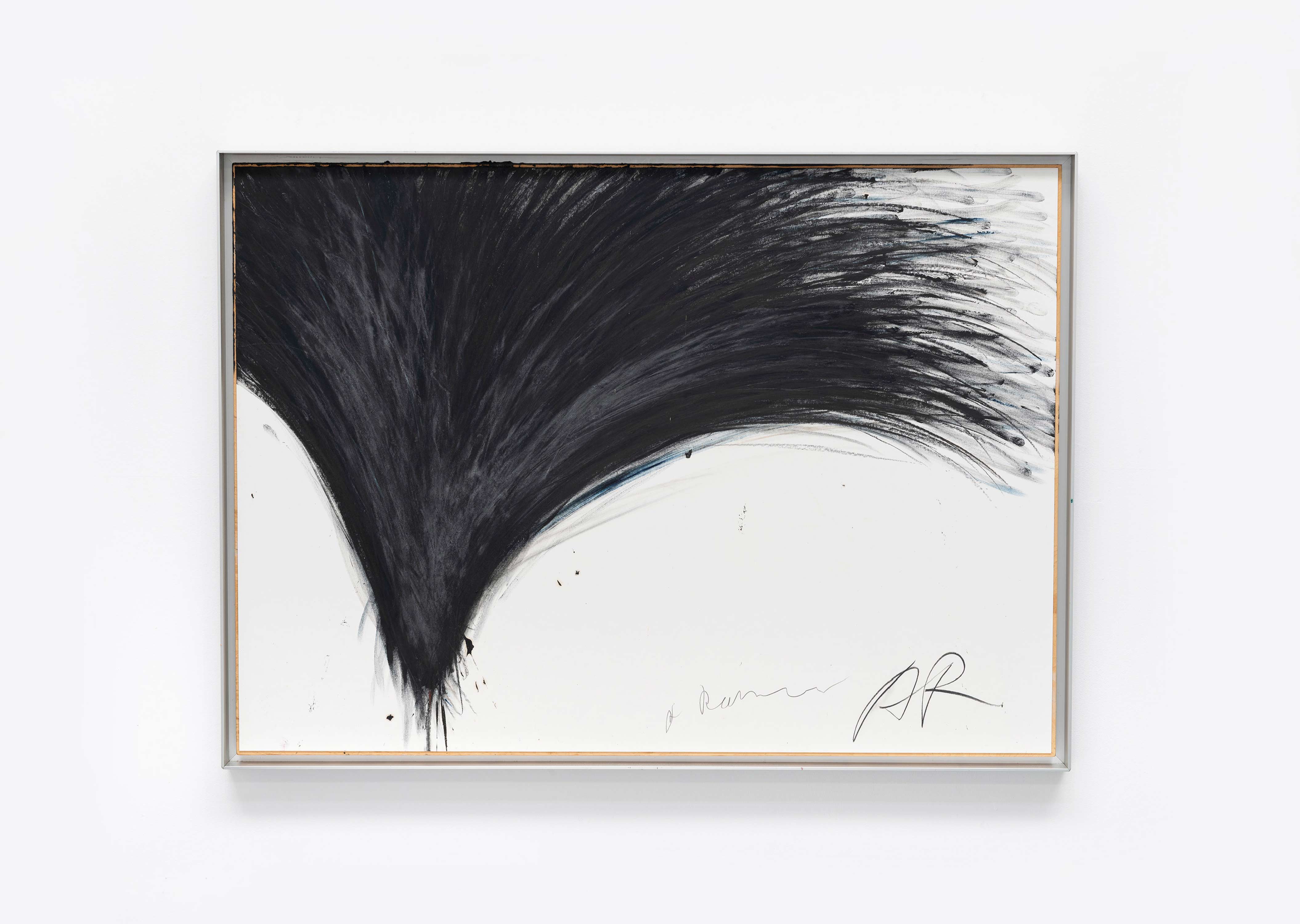
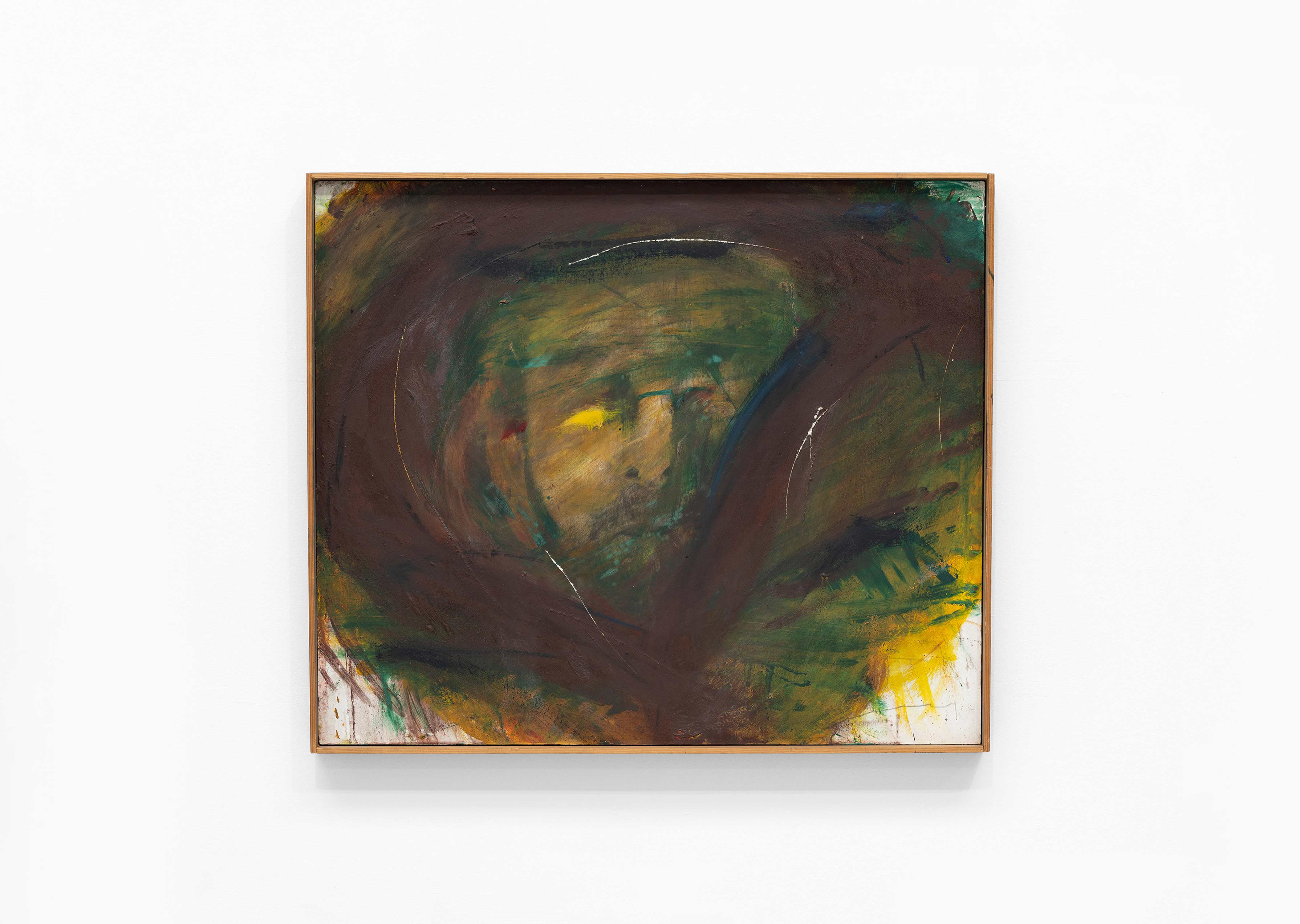
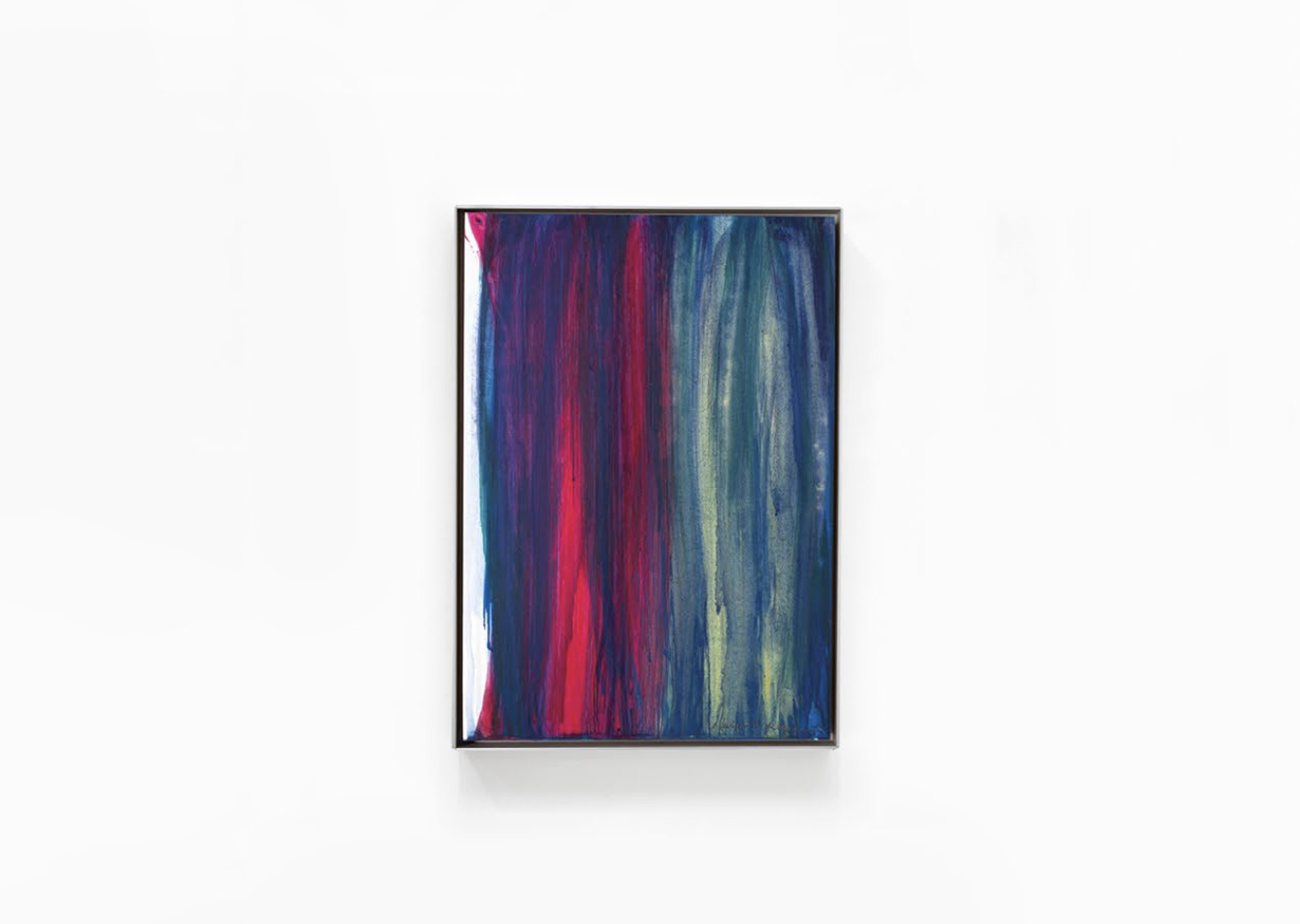
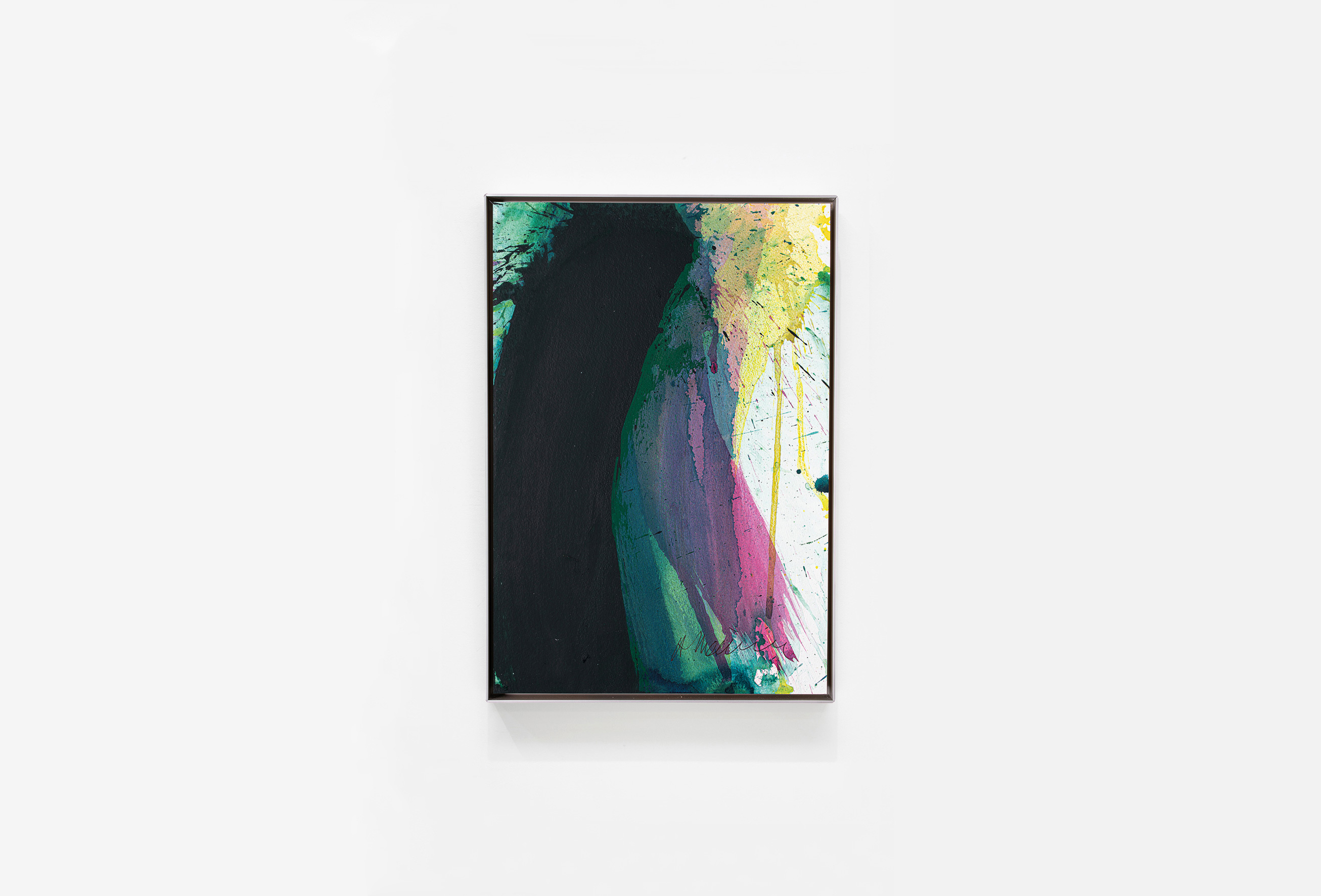
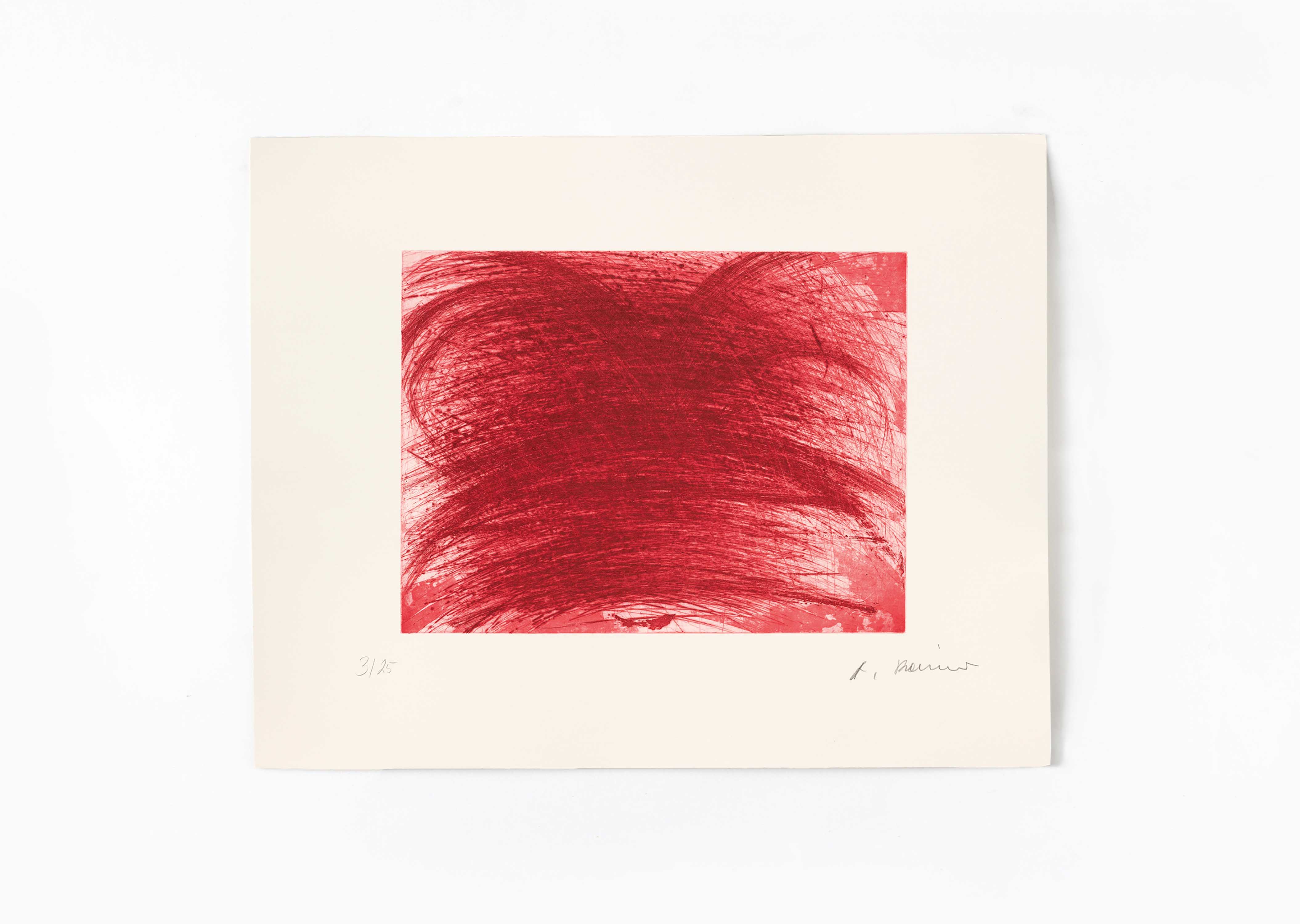
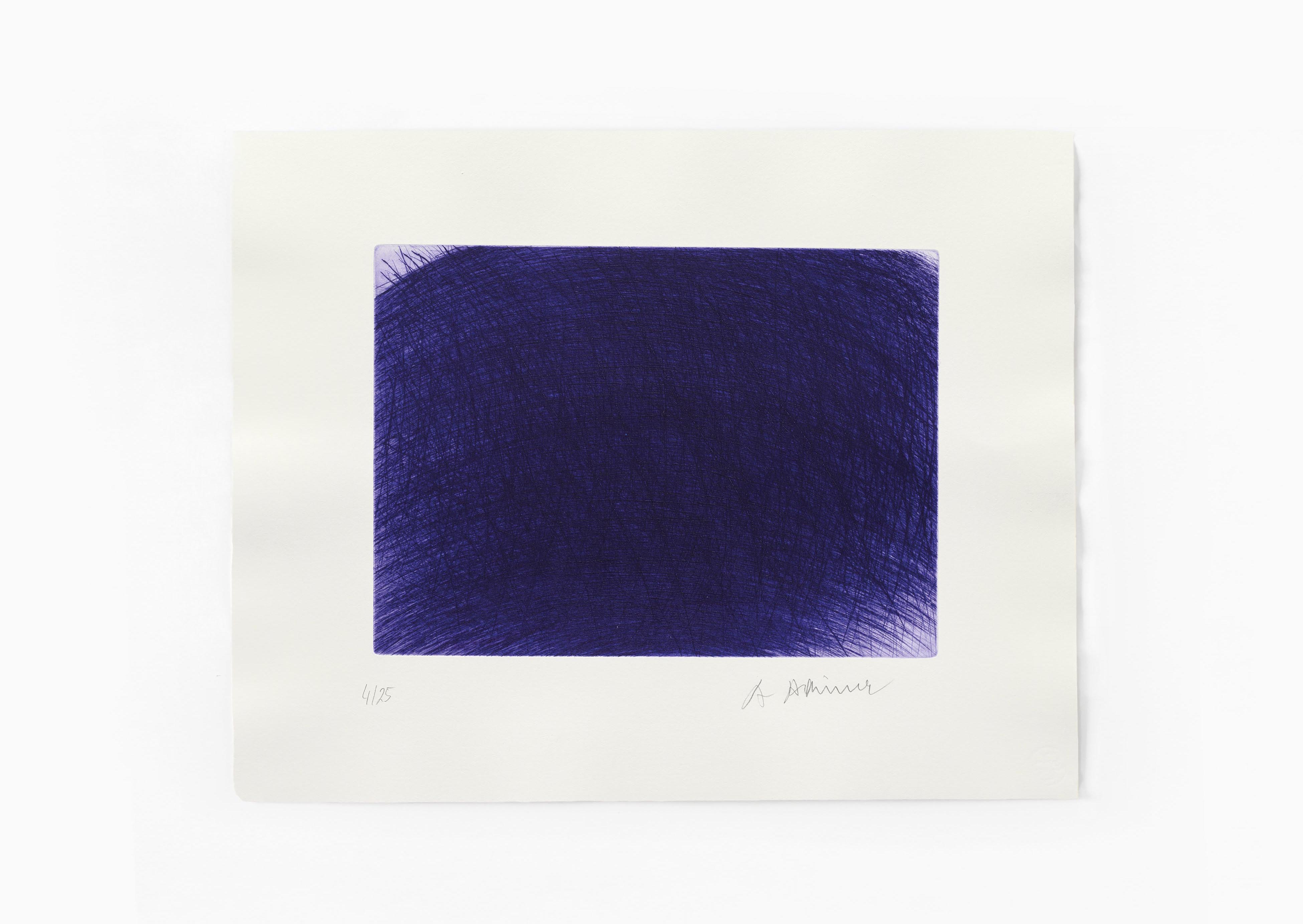
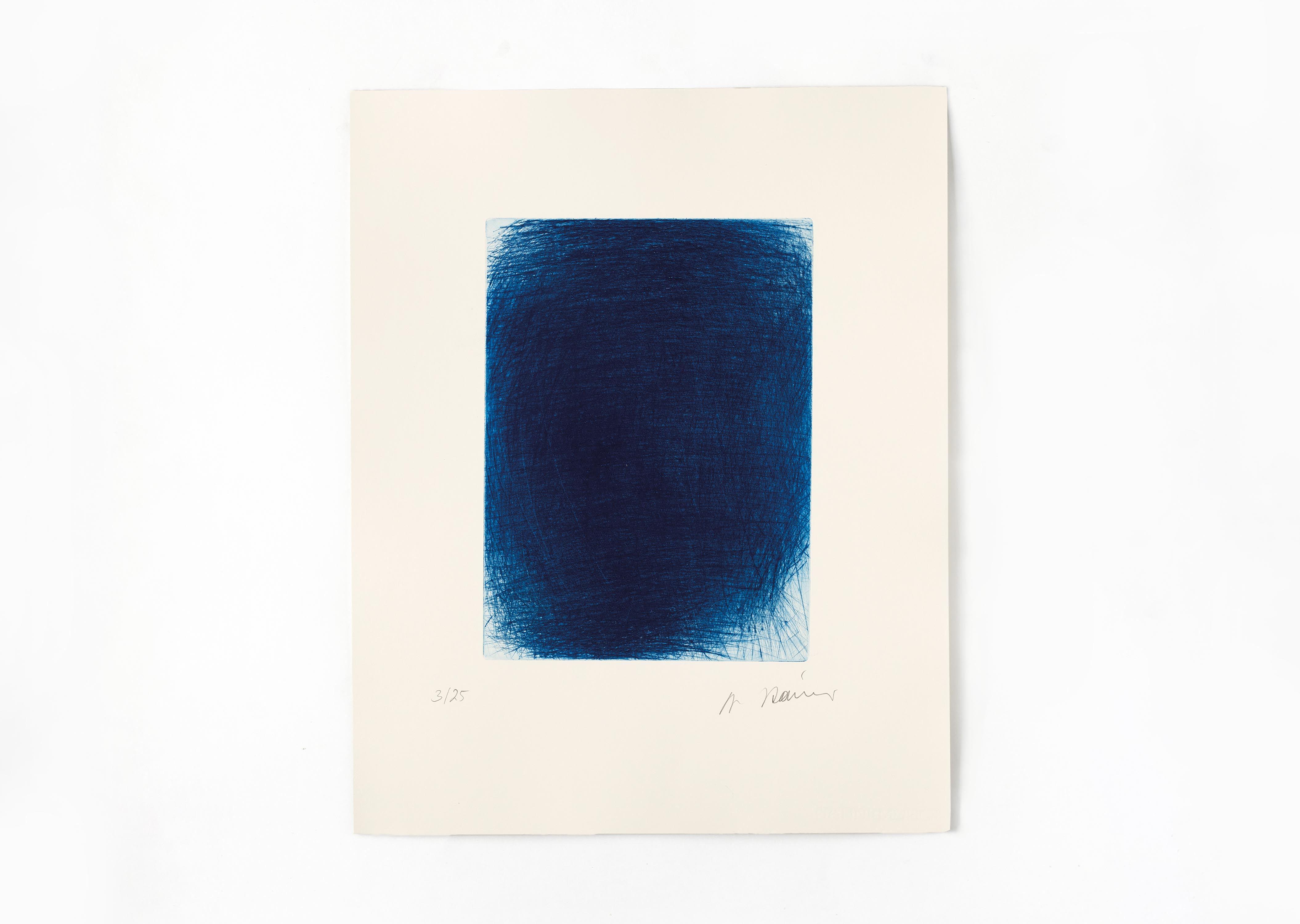
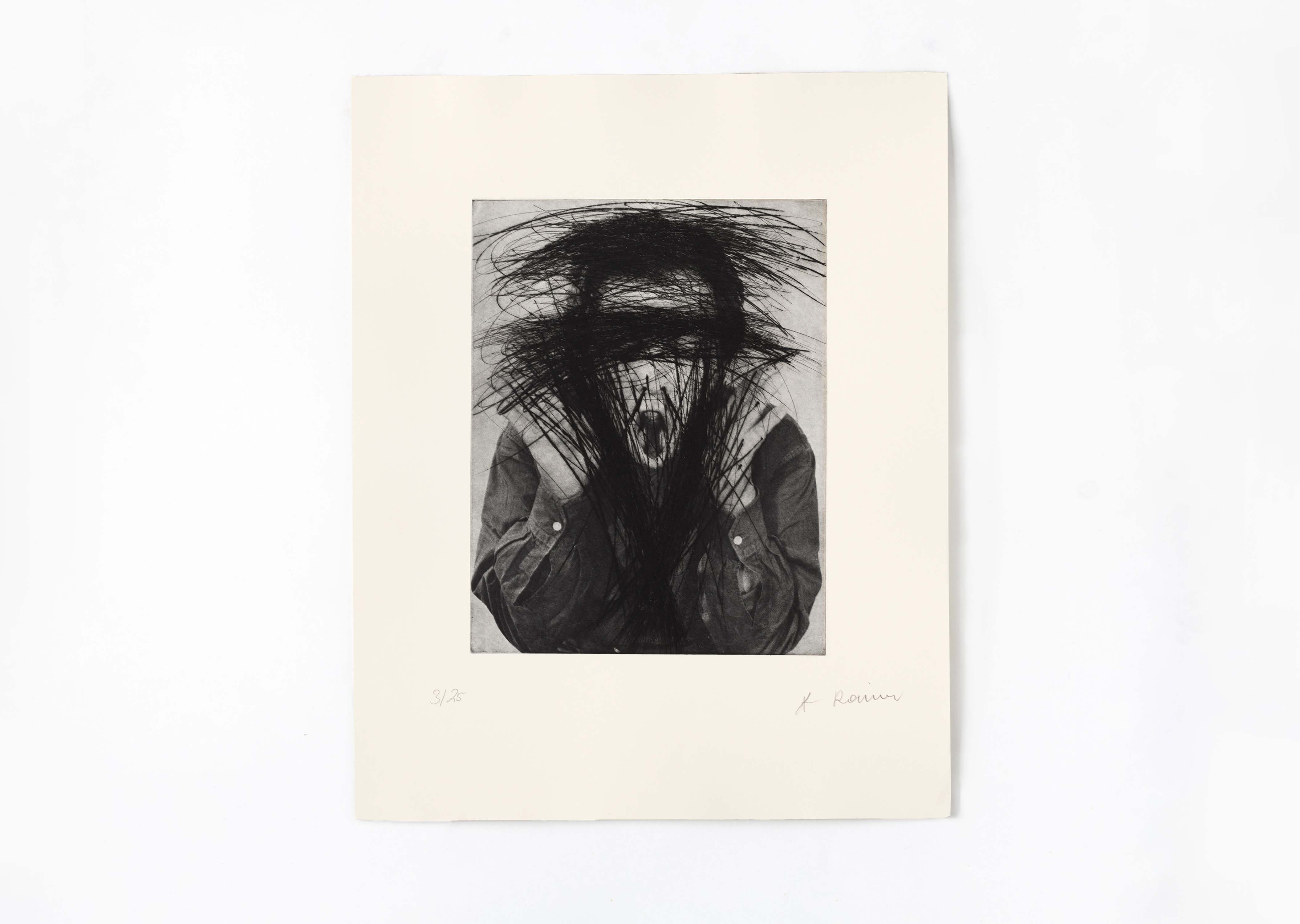
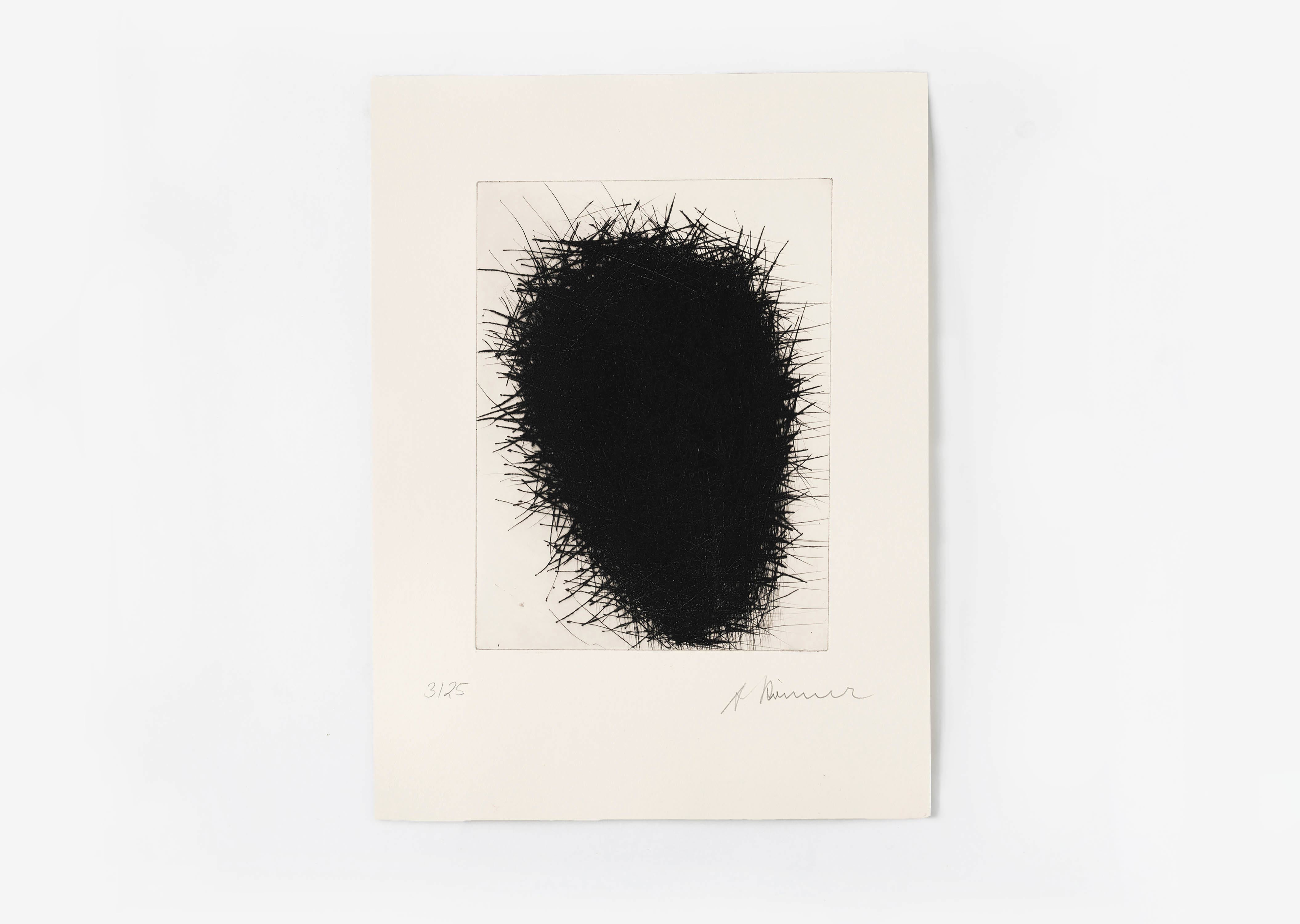
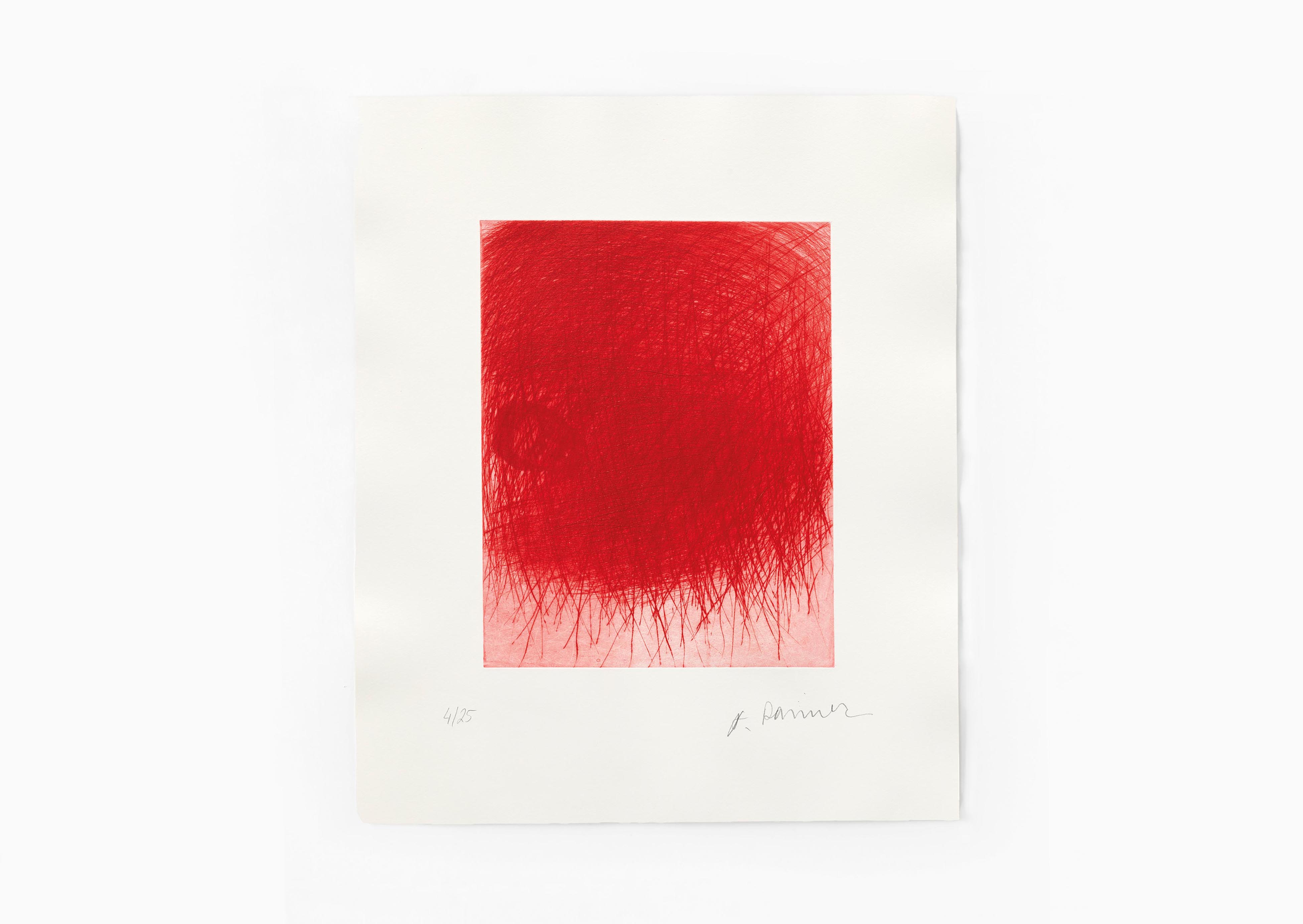
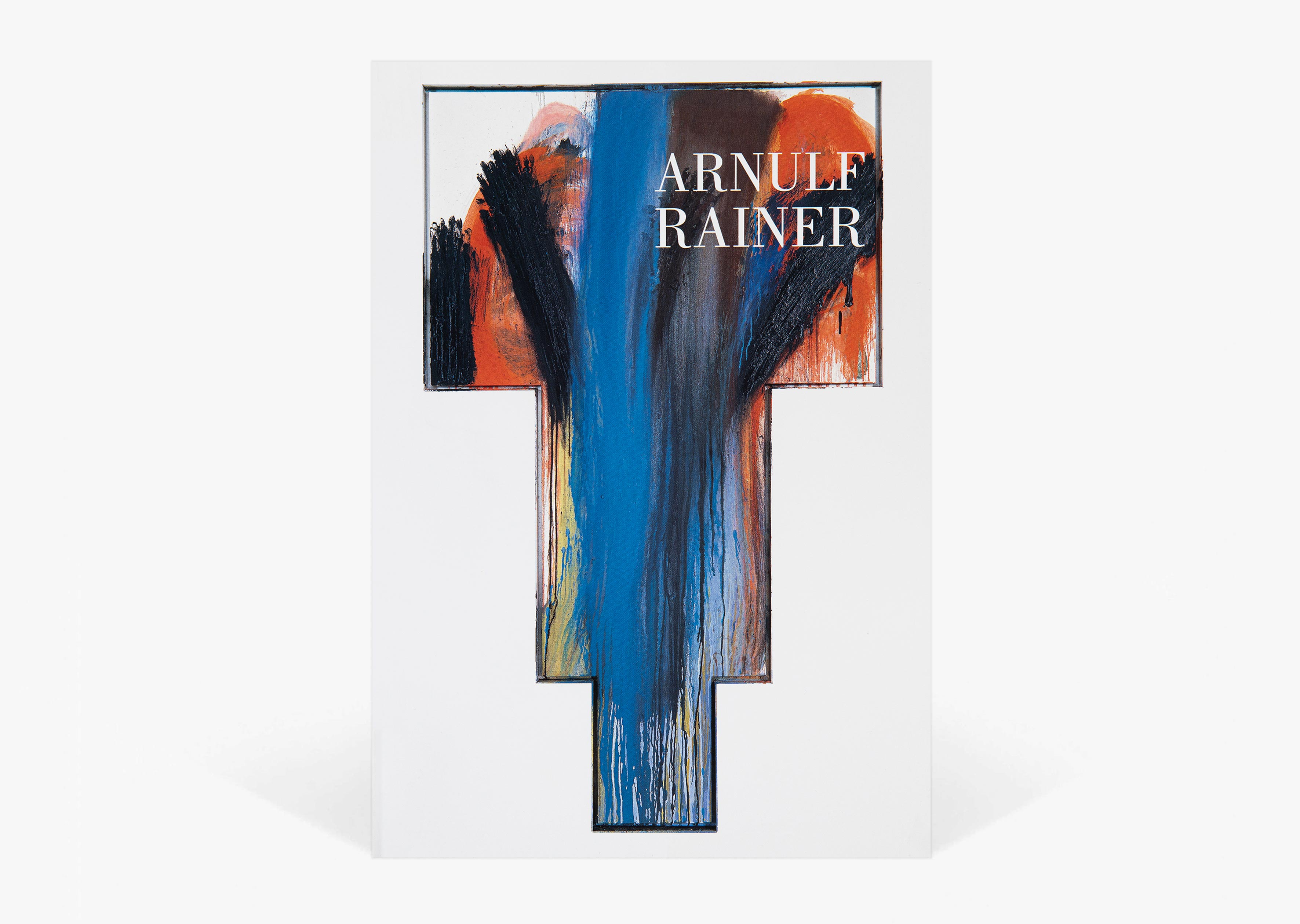
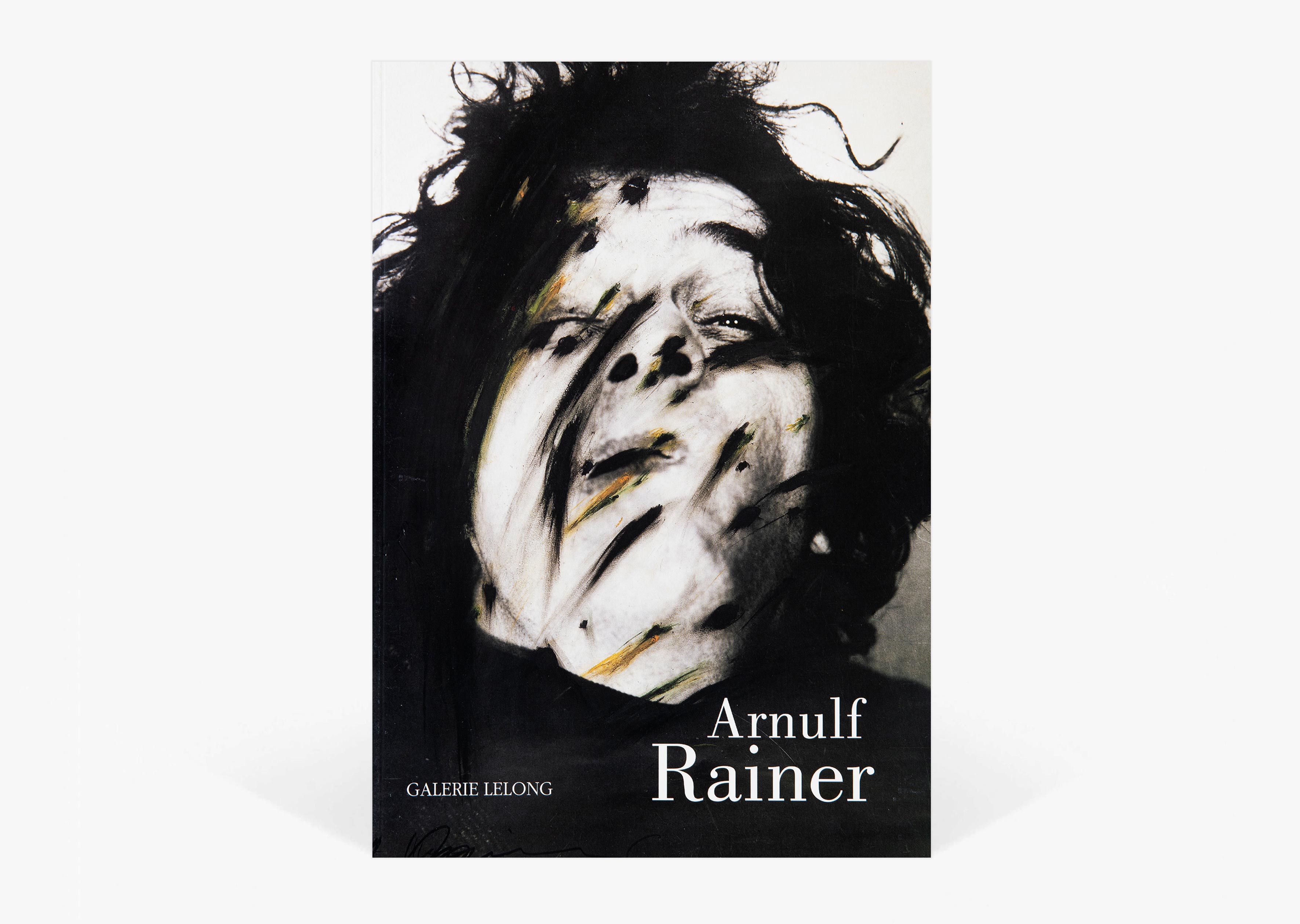
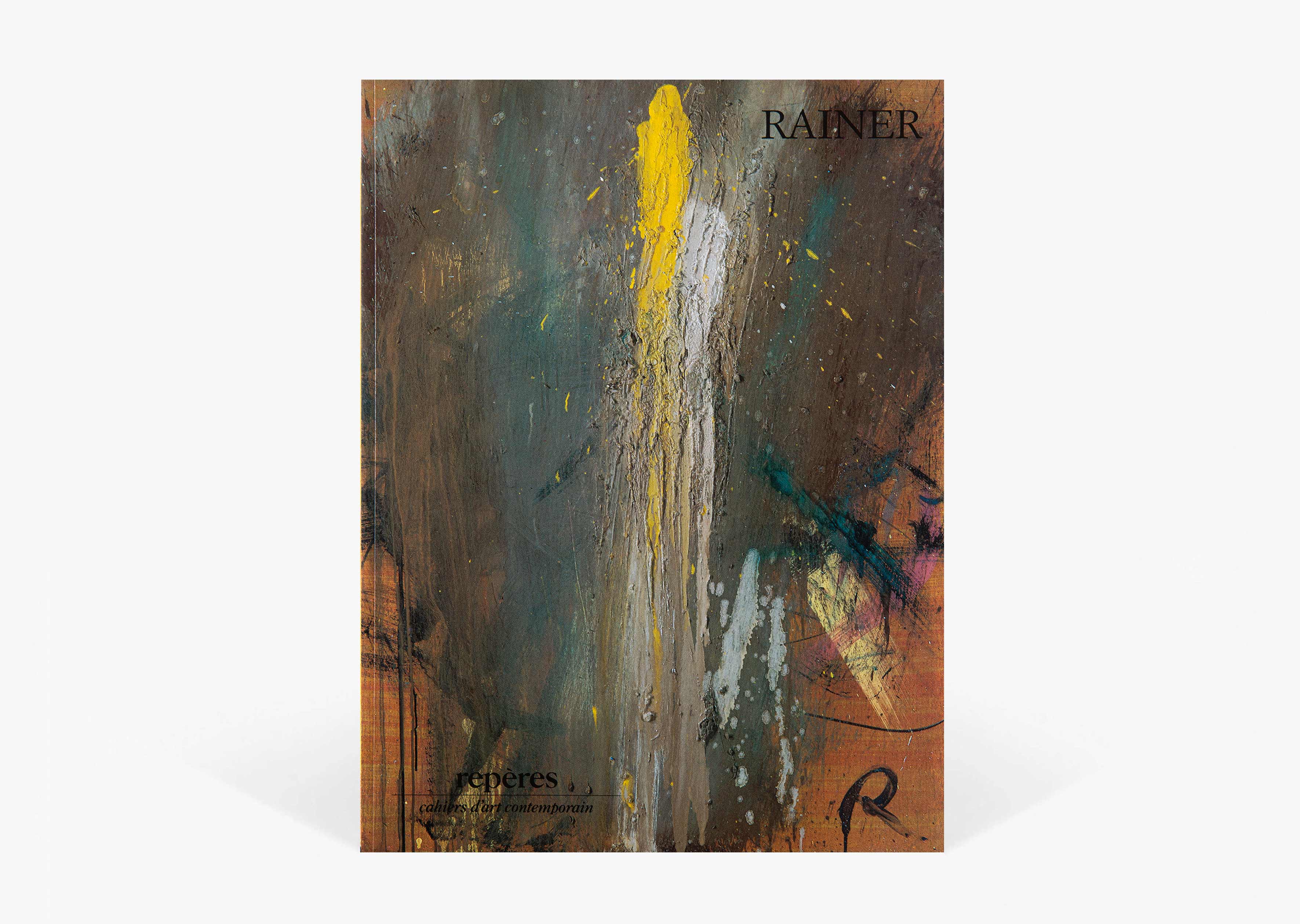
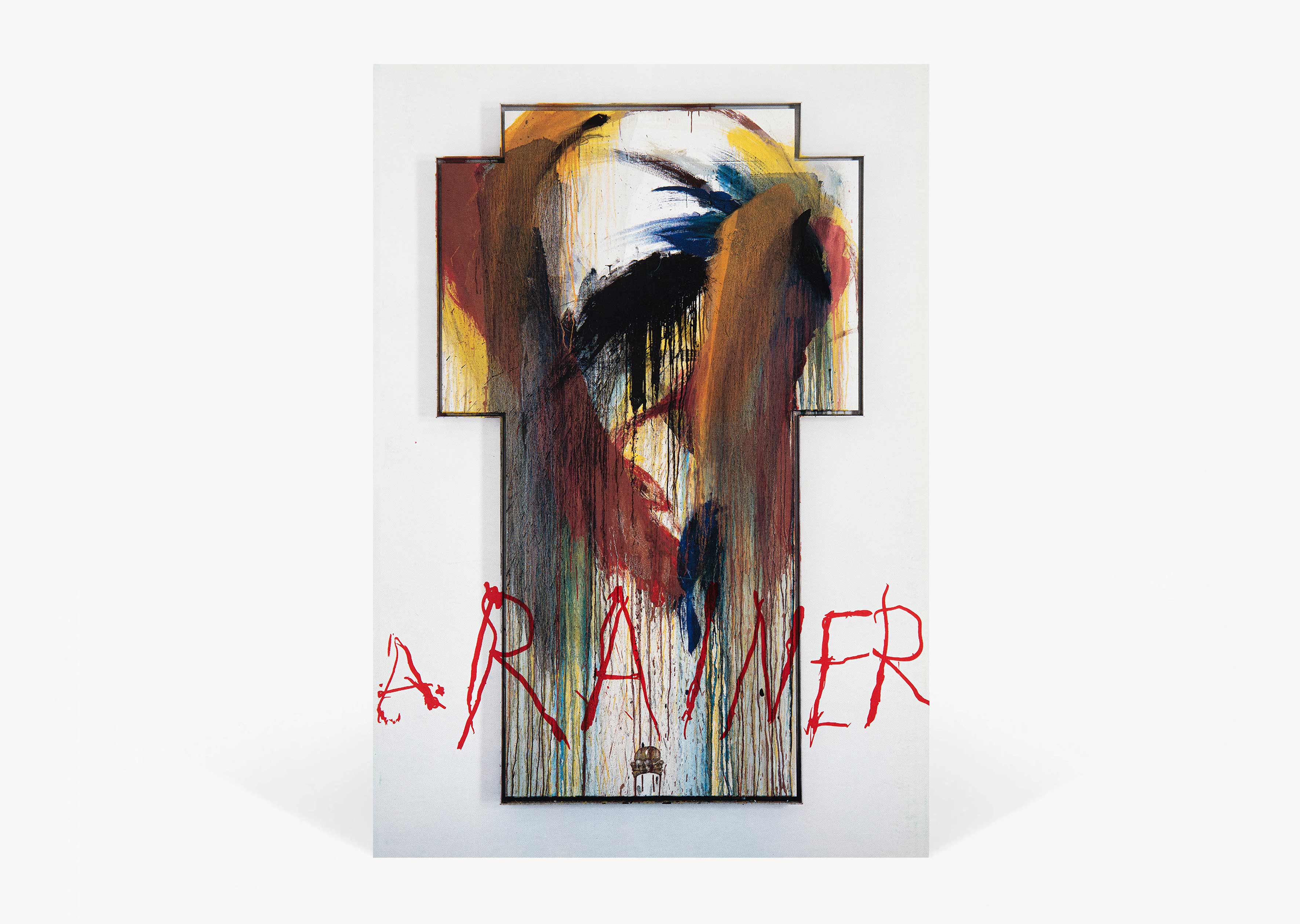
Arnulf Rainer was a major artist from the art scene that emerged in Austria in the 1950s and the 1960s. Influenced at first by surrealism, he was interested in the unconscious and dreams. In 1952, he began to produce his first übermalungen (overpaintings), consisting of covering existing works (self-portraits, death masks, popular images, or works by masters such as Goya or Van Gogh), partially or completely, with brushstrokes. This process developed throughout his career creates a dialogue between the source and the «overpainting,» while the original work sometimes remains visible beneath the layer of paint. Rainer uses various materials, including oil and pastel (or drypoint for etching) to create effects of superimposition, generating a dialectic between creation and destruction. His approach to painting, which is as much about corporality as it is about the expression of emotion, highlights a tension between revelation and erasure.
In 1968, the Museum des 20. Jahrhunderts in Berlin organized one of the first retrospectives of his work, followed by another in 1971 at the Kunstverein in Hamburg. He participated in documenta in Kassel in 1972, 1977, and 1982, and represented Austria at the Venice Biennale in 1978, the year he received the Grand Prix in Austria. His work has been shown in international retrospectives, including at the Centre Pompidou in Paris (1984), the Solomon R. Guggenheim Museum in New York (1989), the Stedelijk Museum in Amsterdam (2000), the Kunstmuseum Den Haag in the Netherlands (2005), the Alte Pinakothek in Munich (2010), the Albertina in Vienna (2014), and the Lentos Kunstmuseum in Linz (2017). A museum is entirely dedicated to him in Baden, his hometown.















.jpg)


.png)