Biography
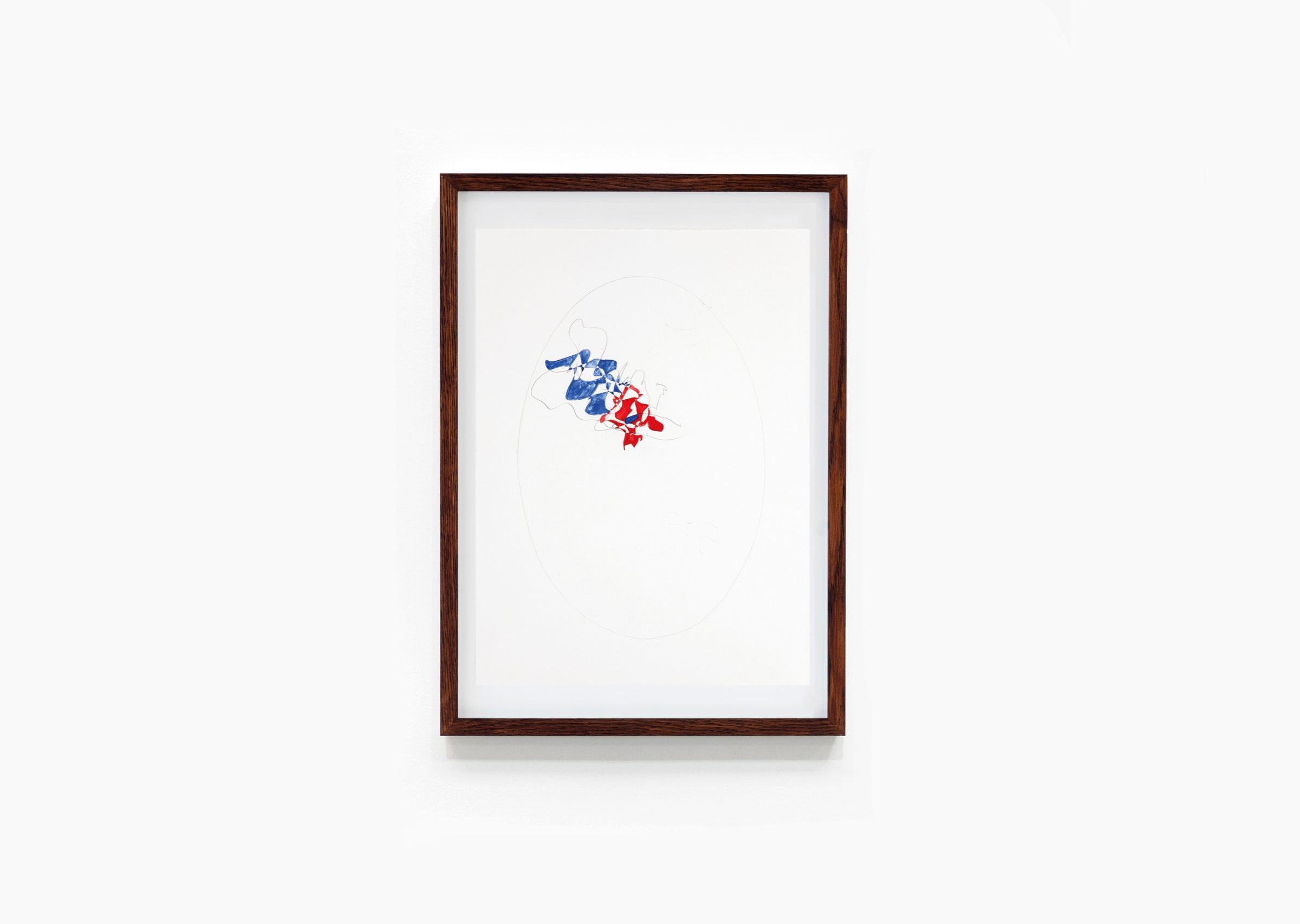
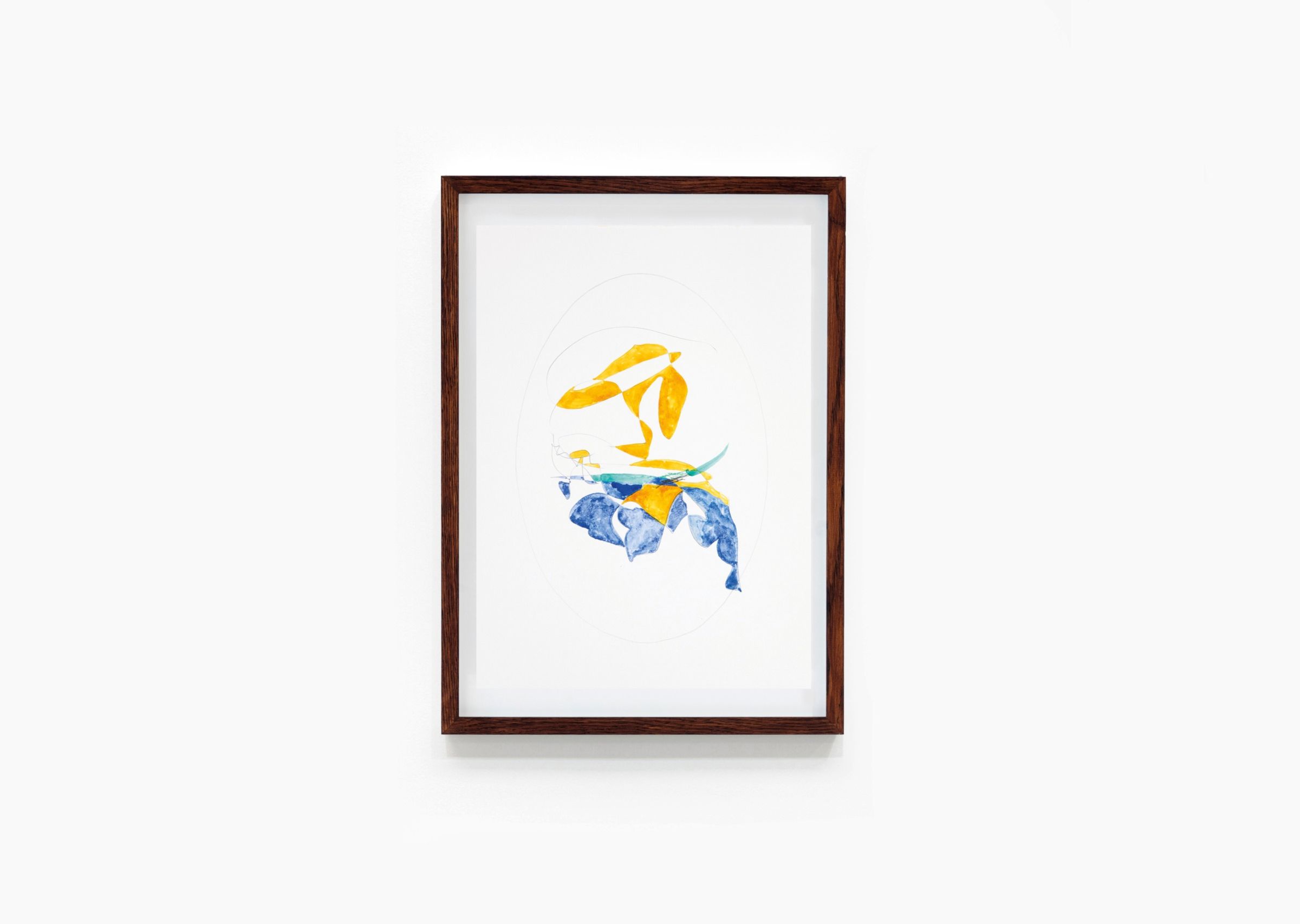
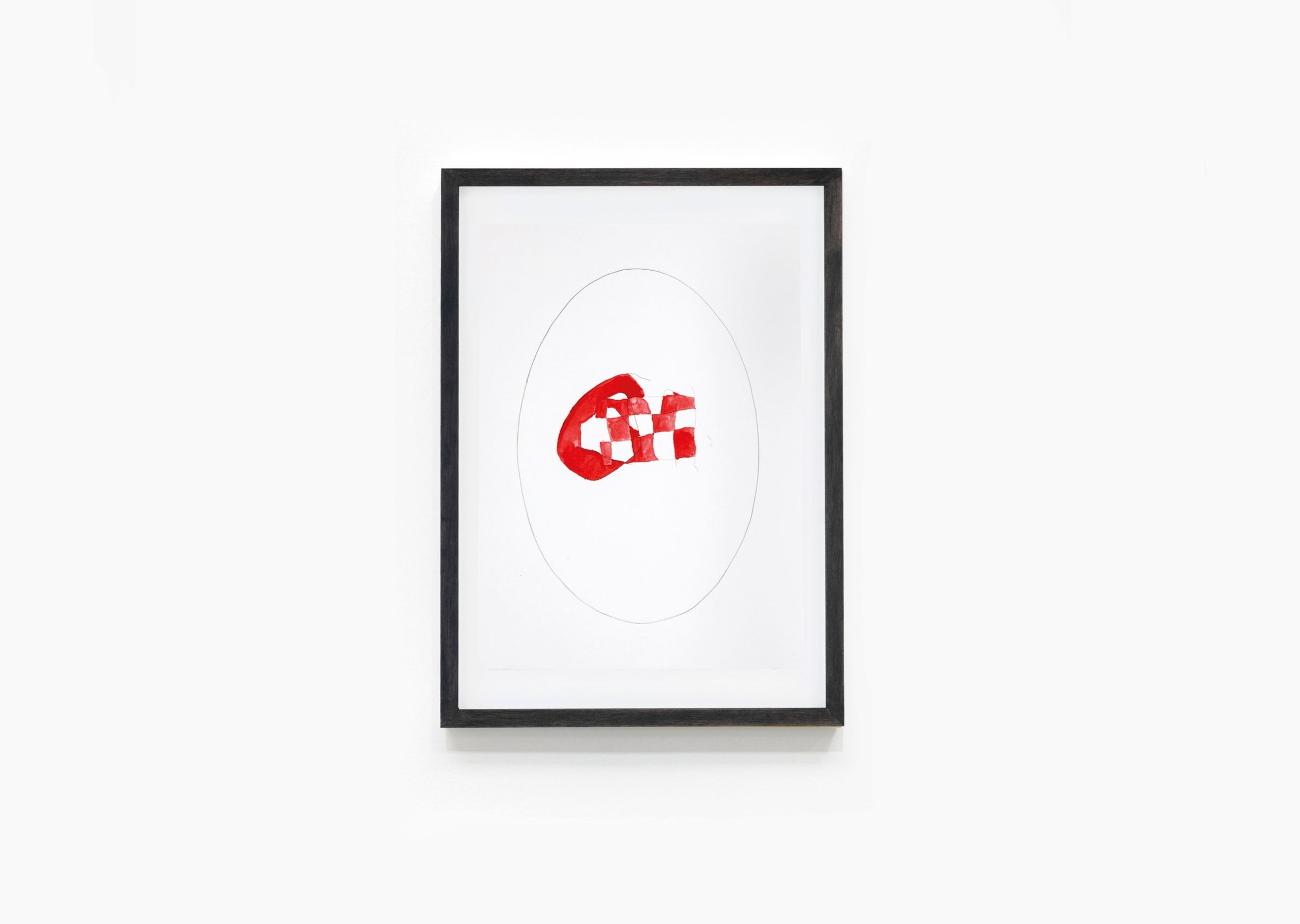
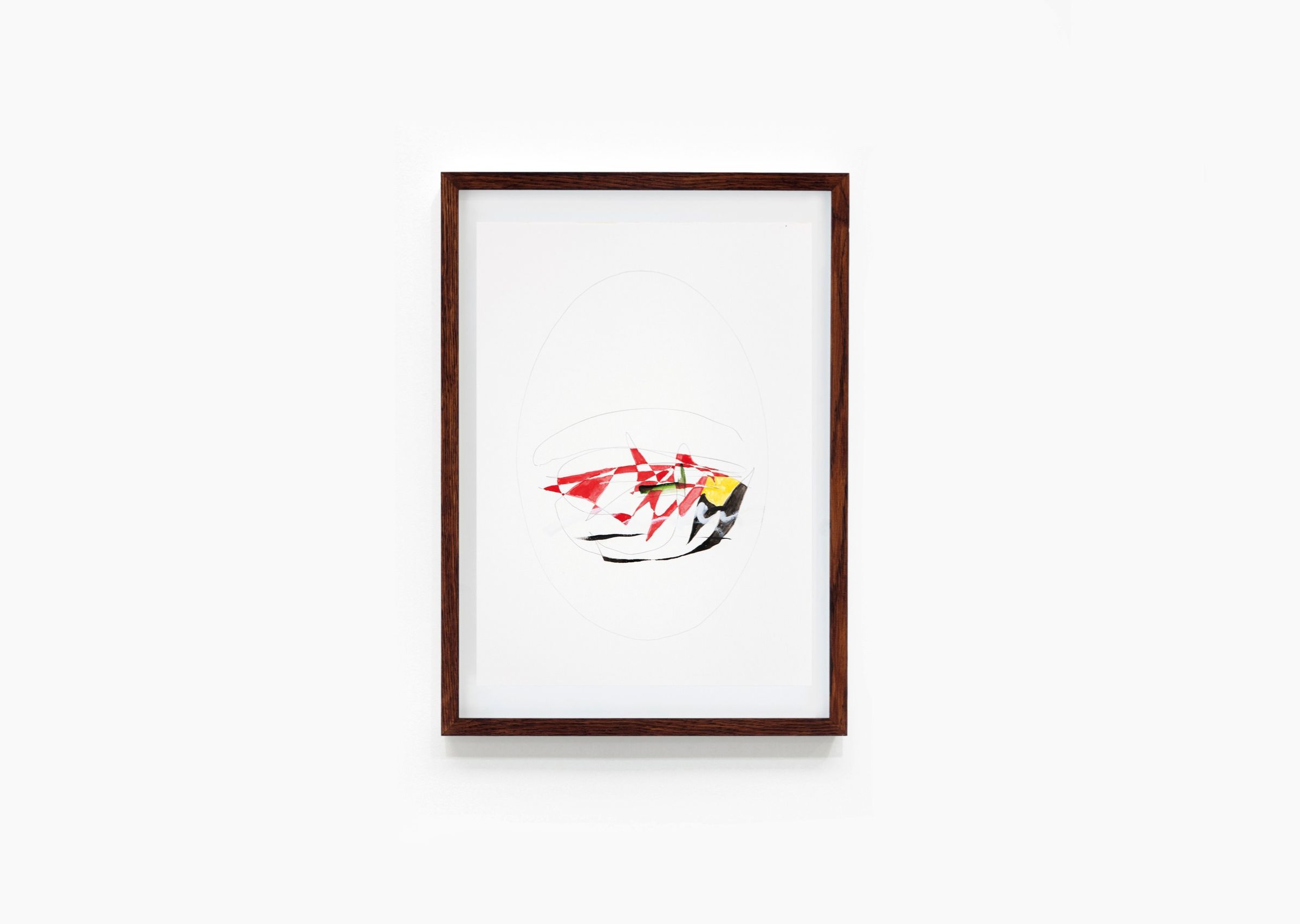
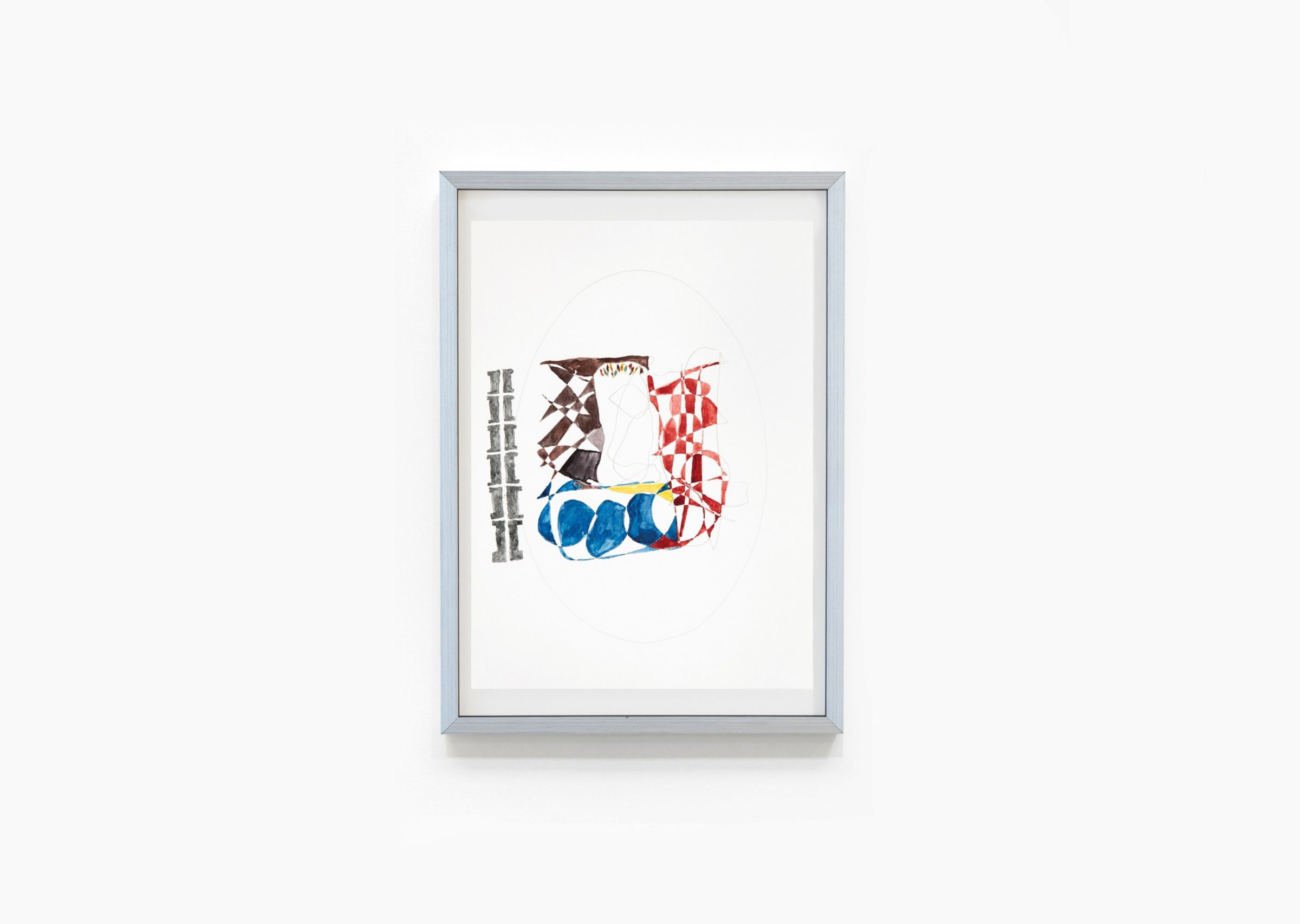
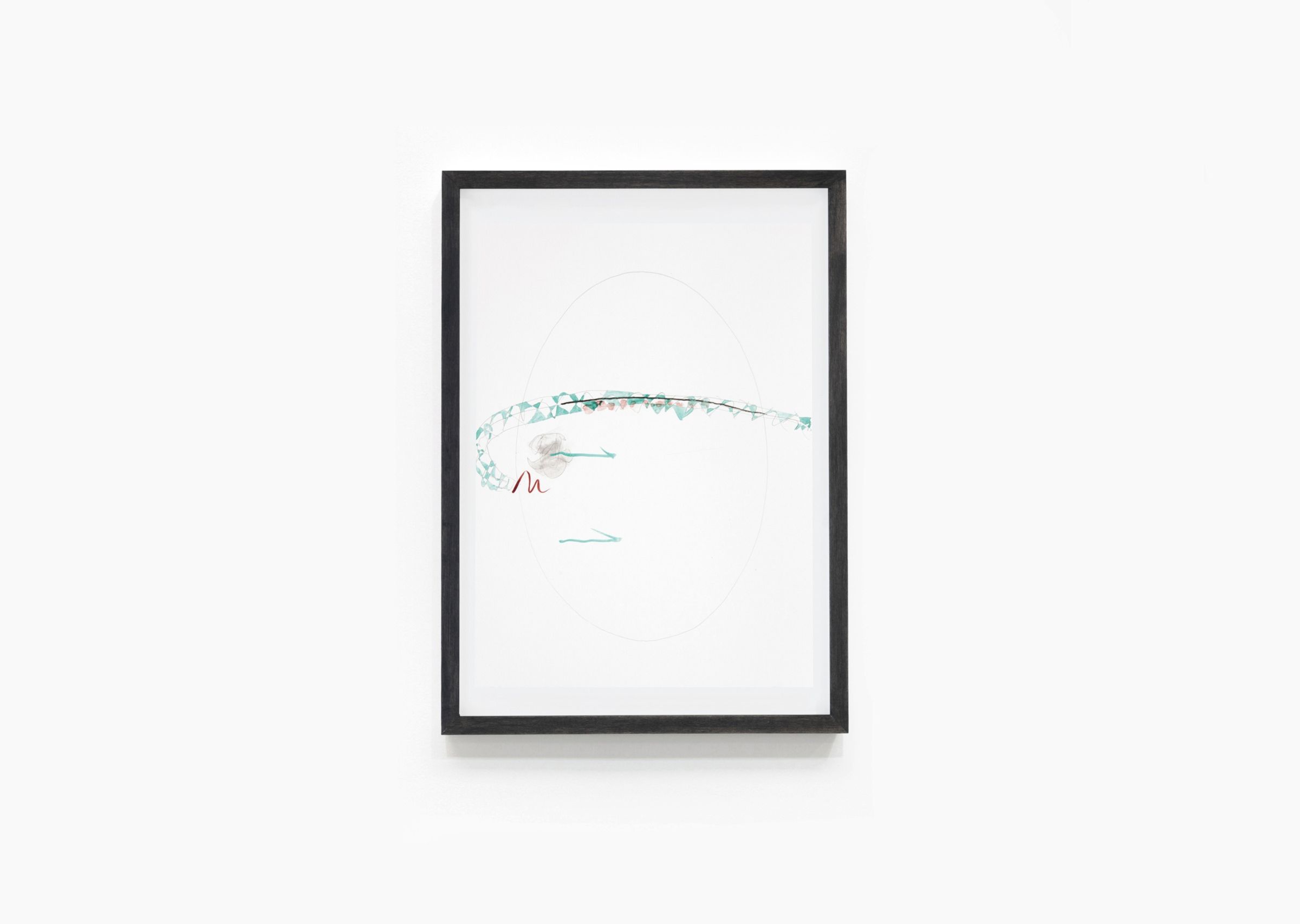
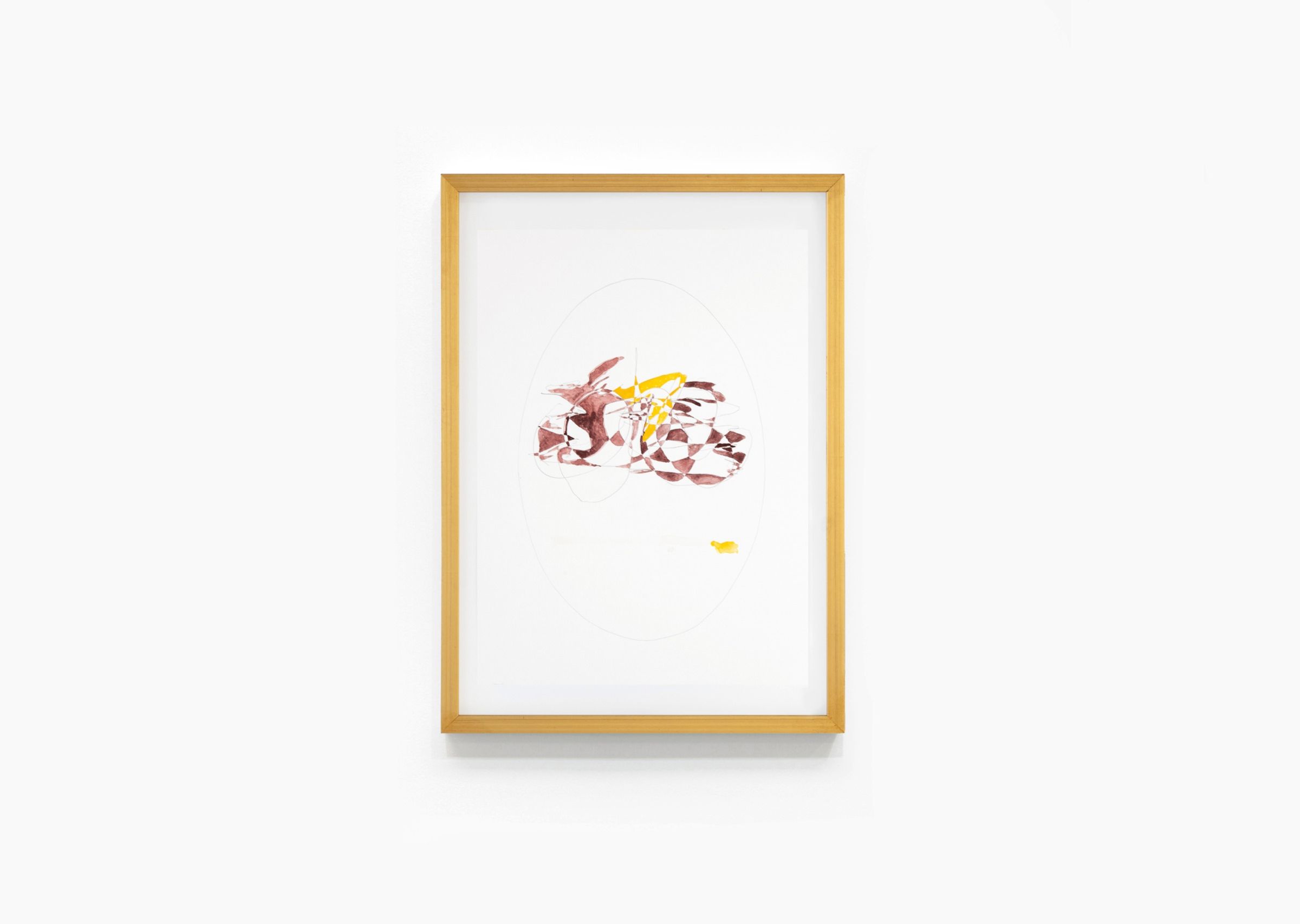
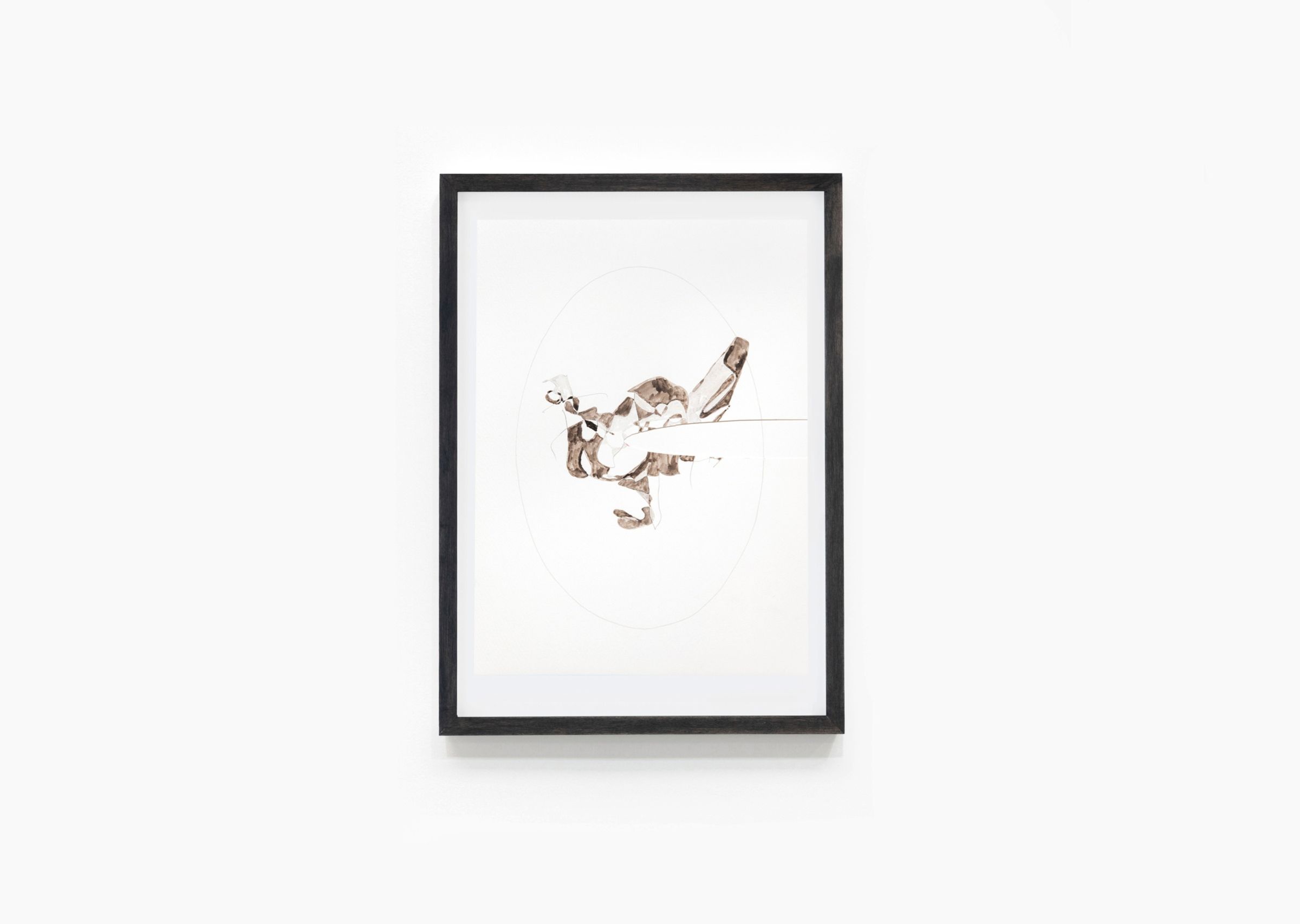
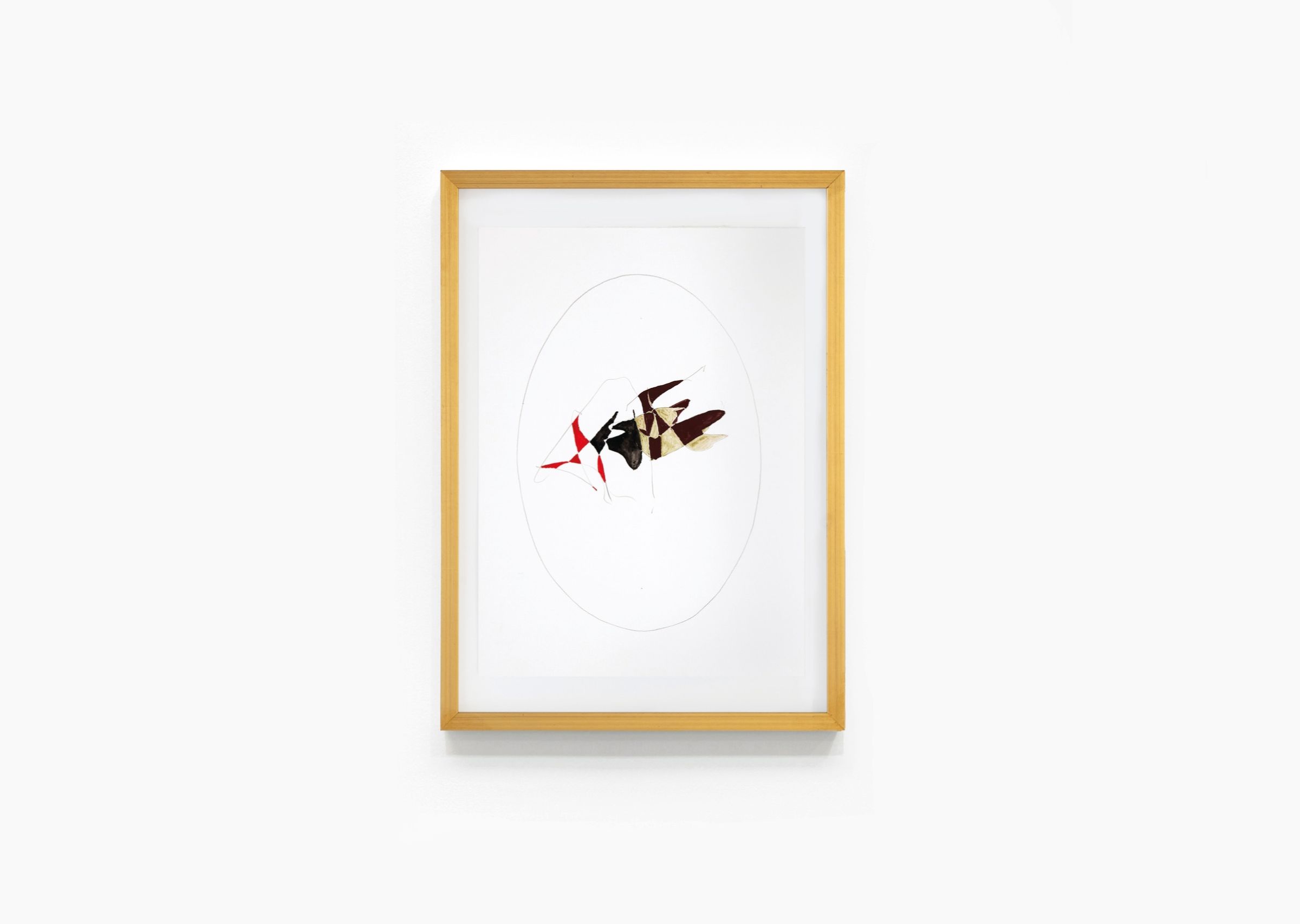
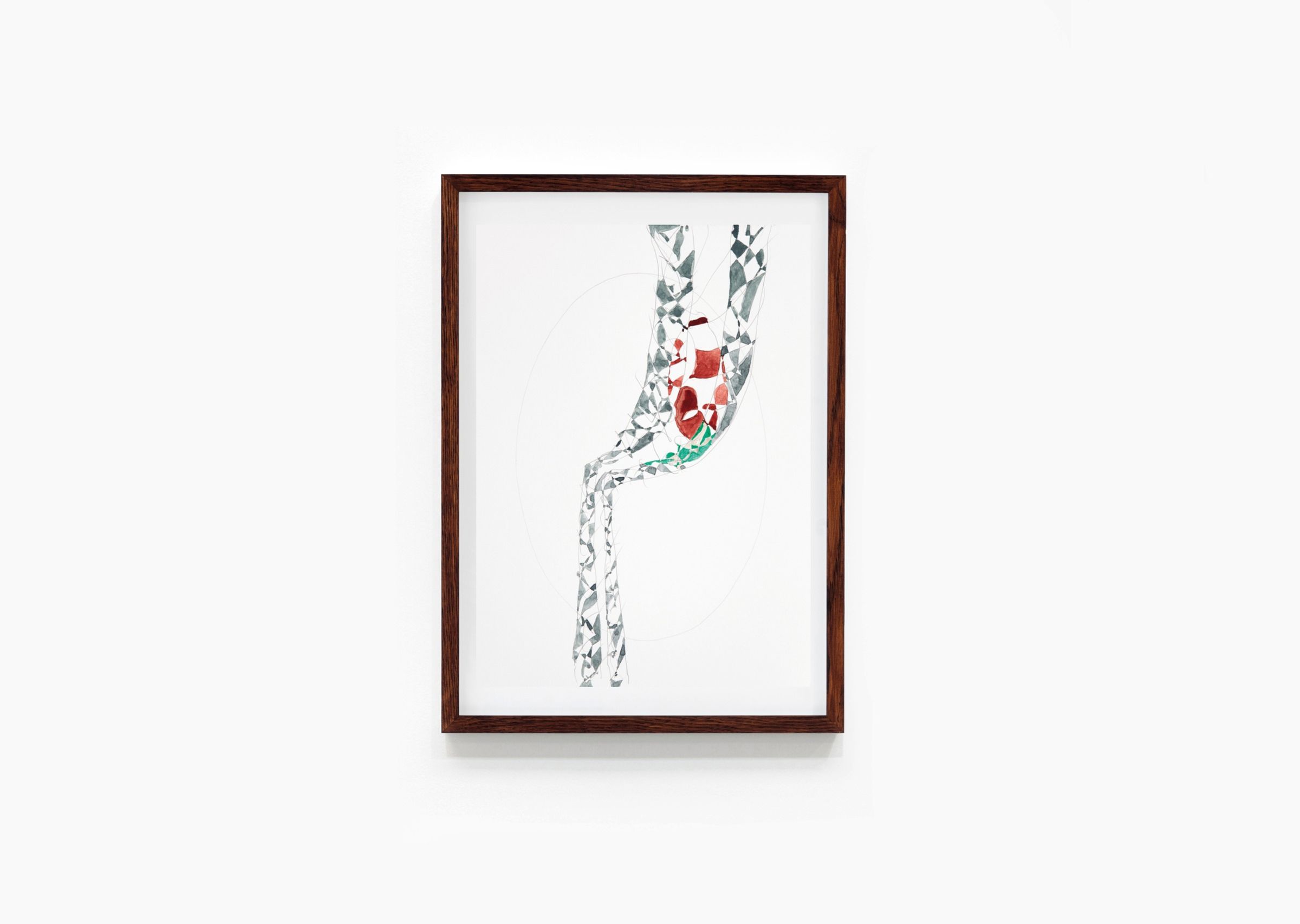
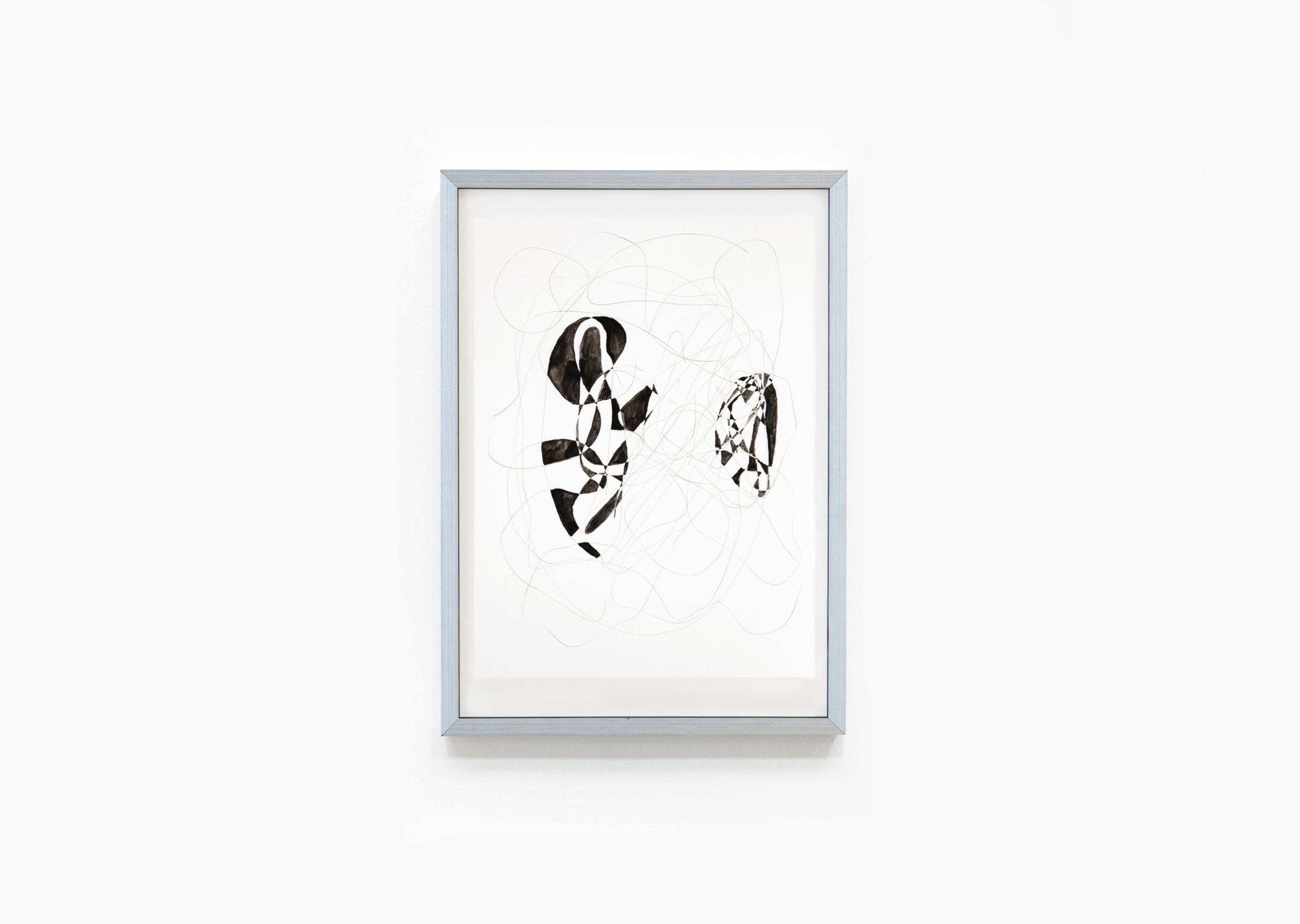
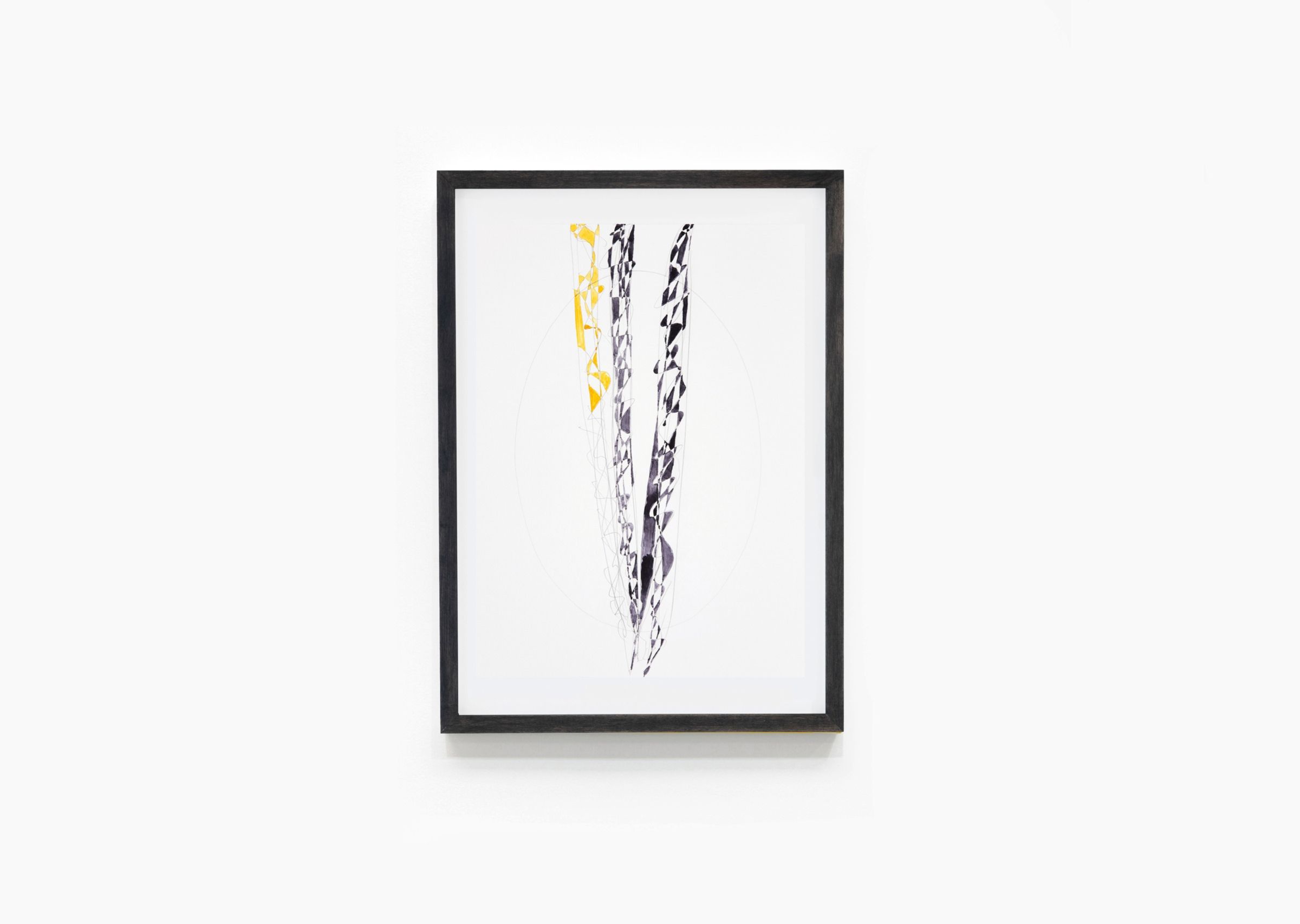
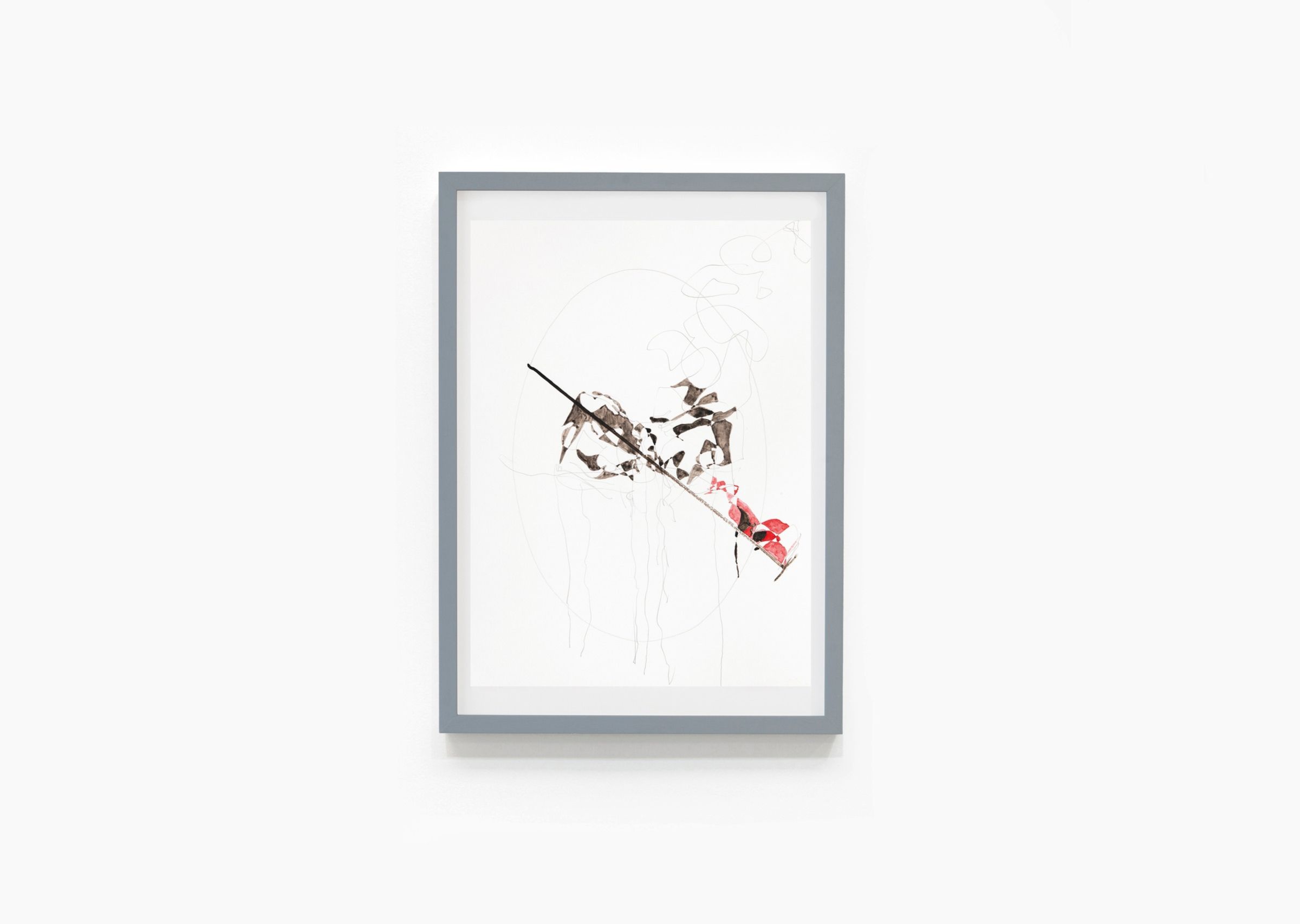
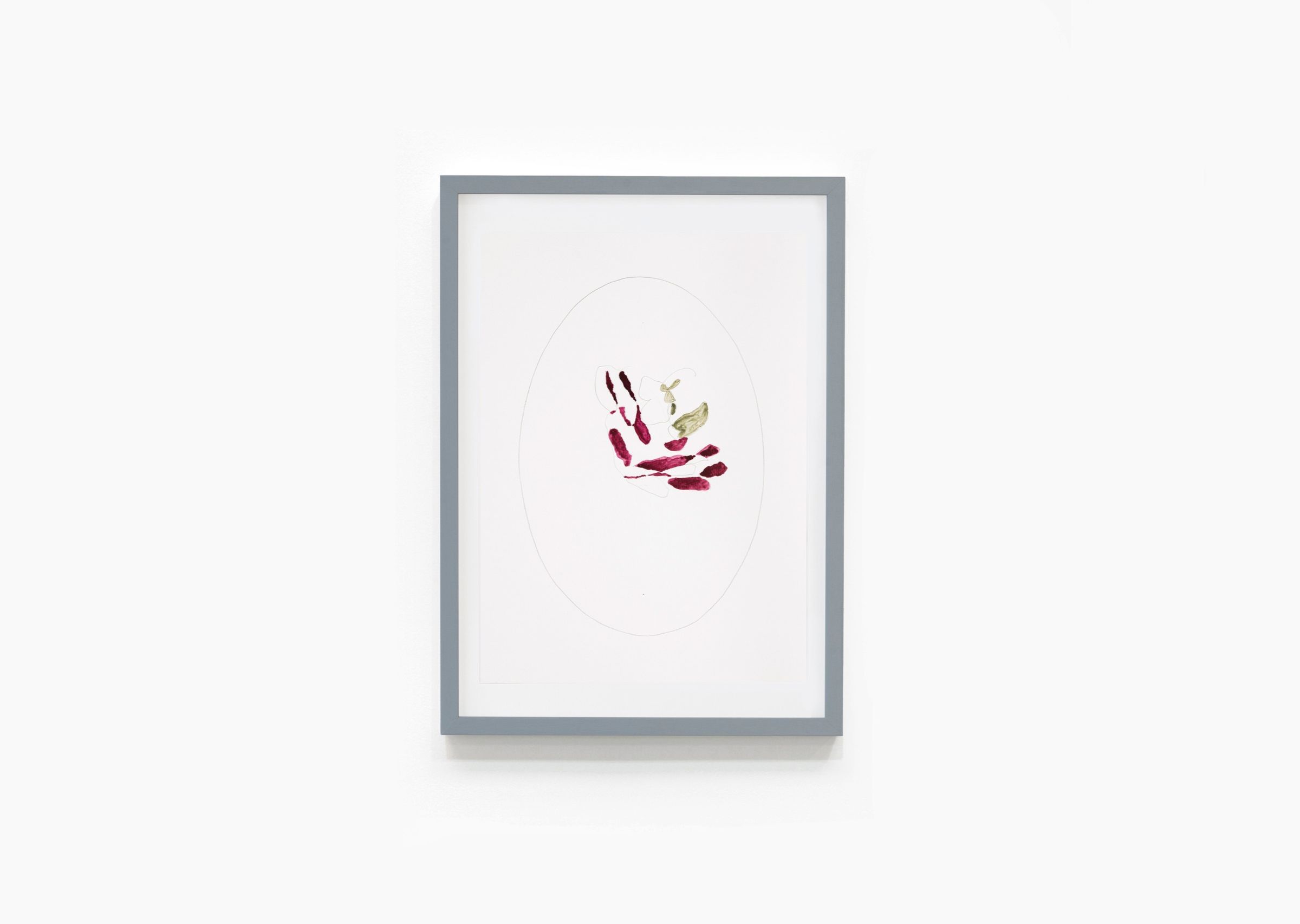
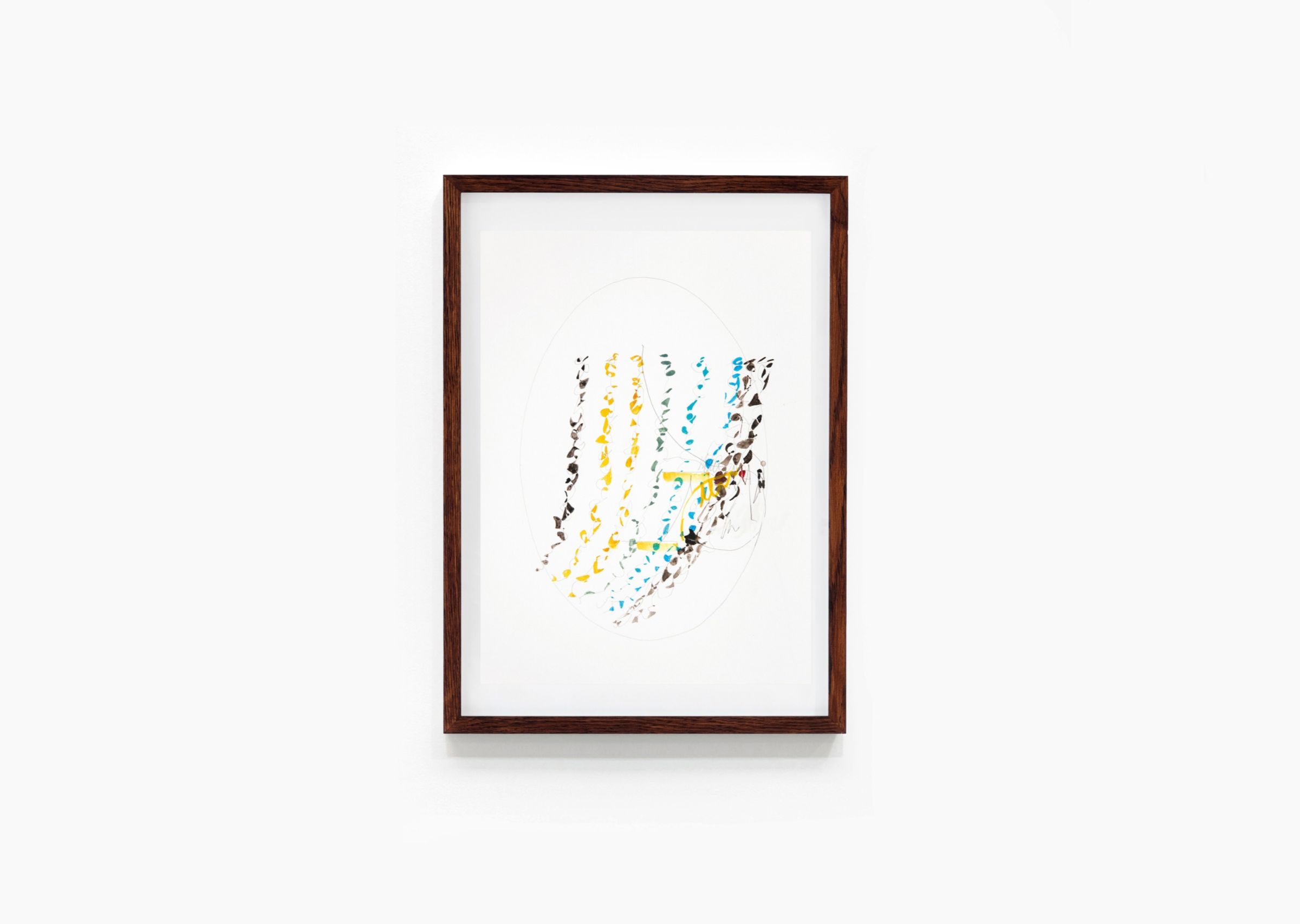
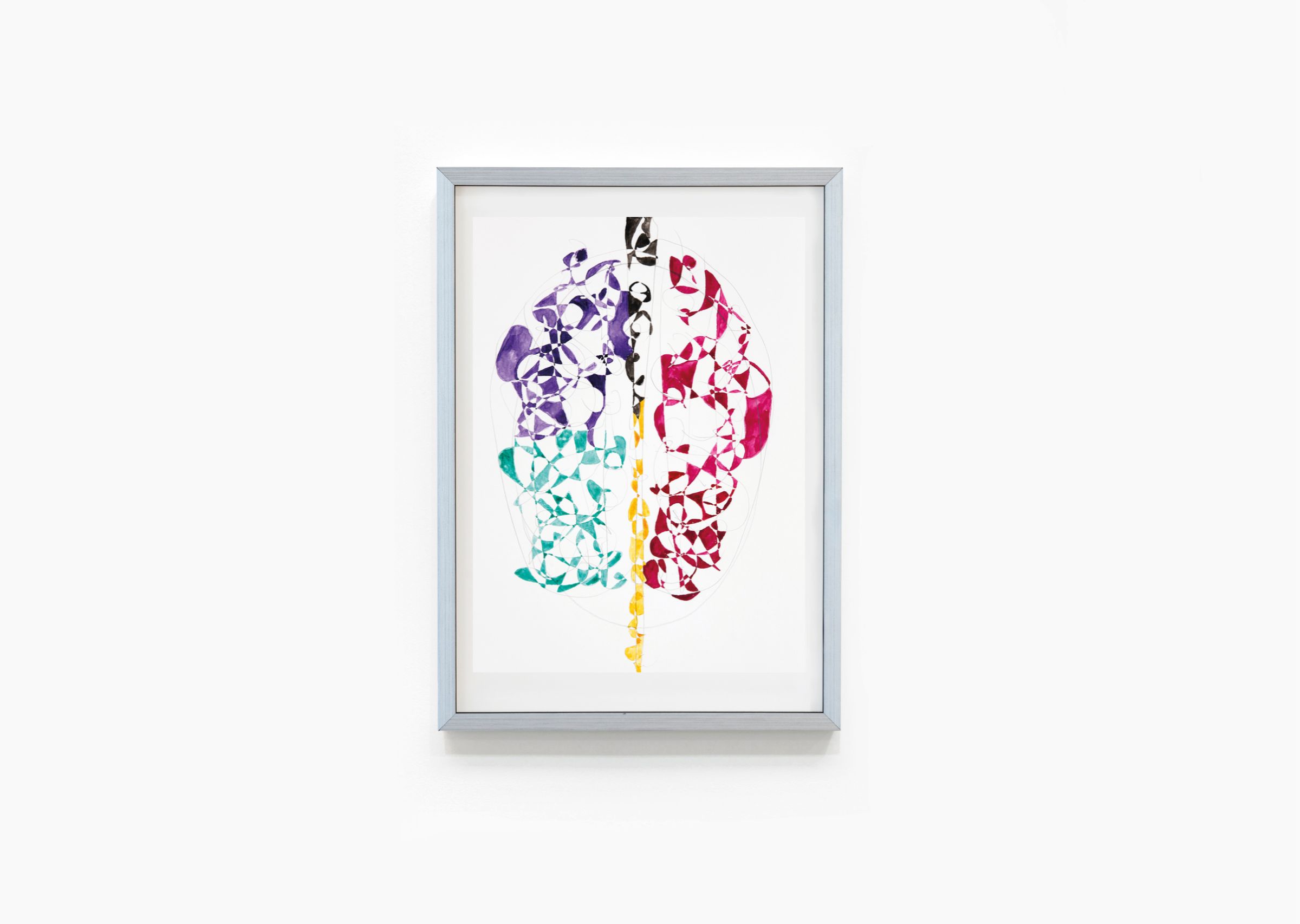
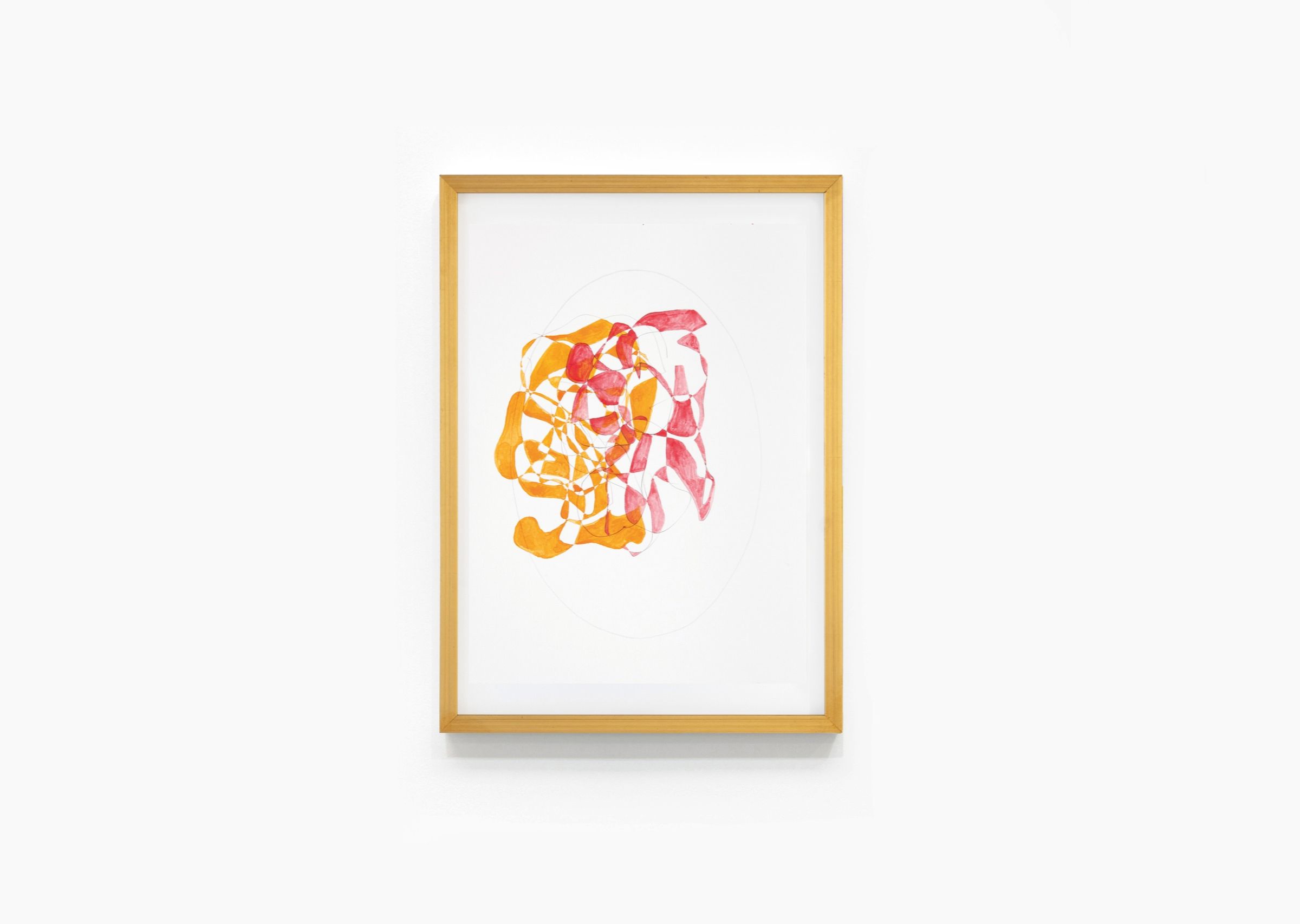
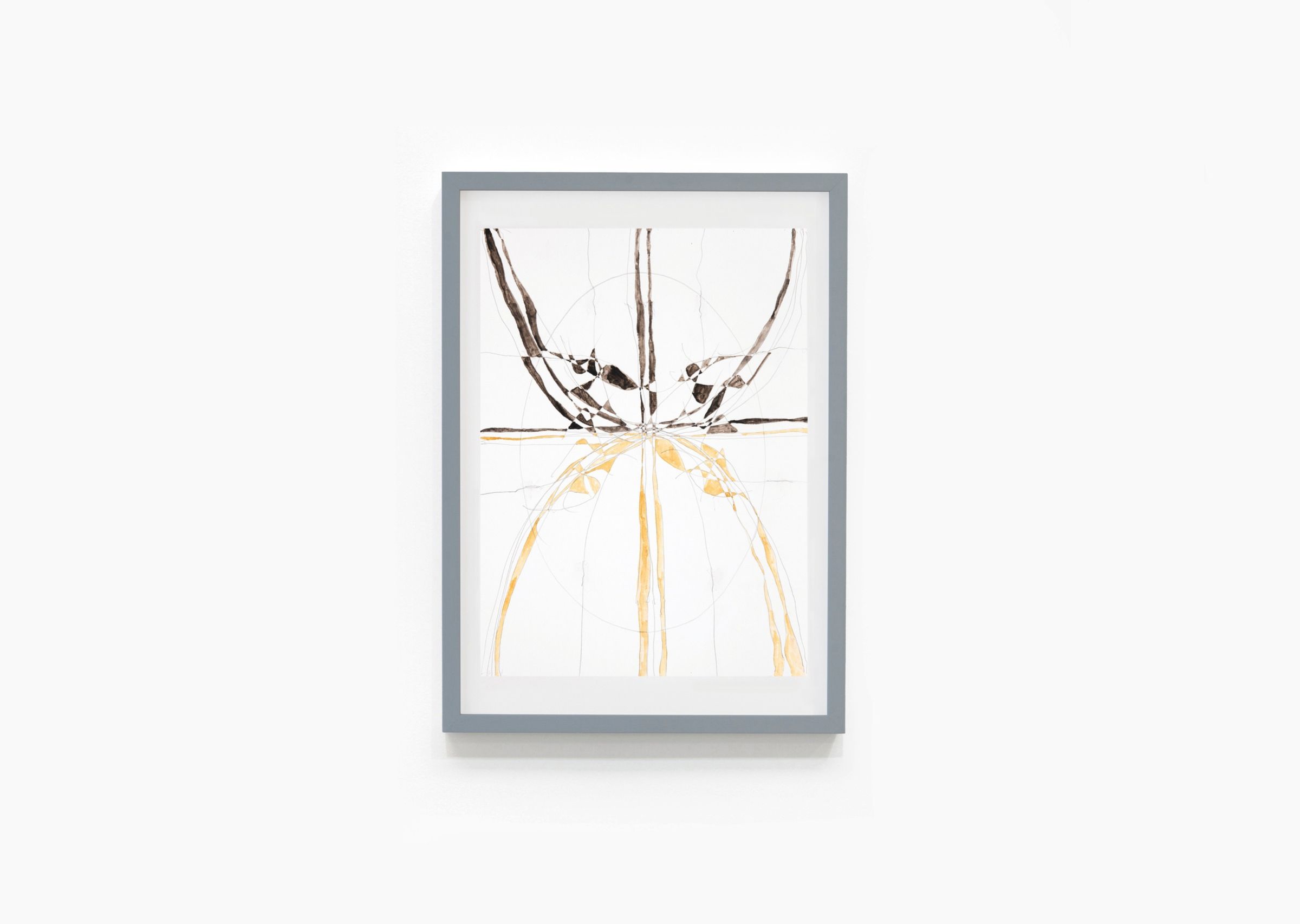
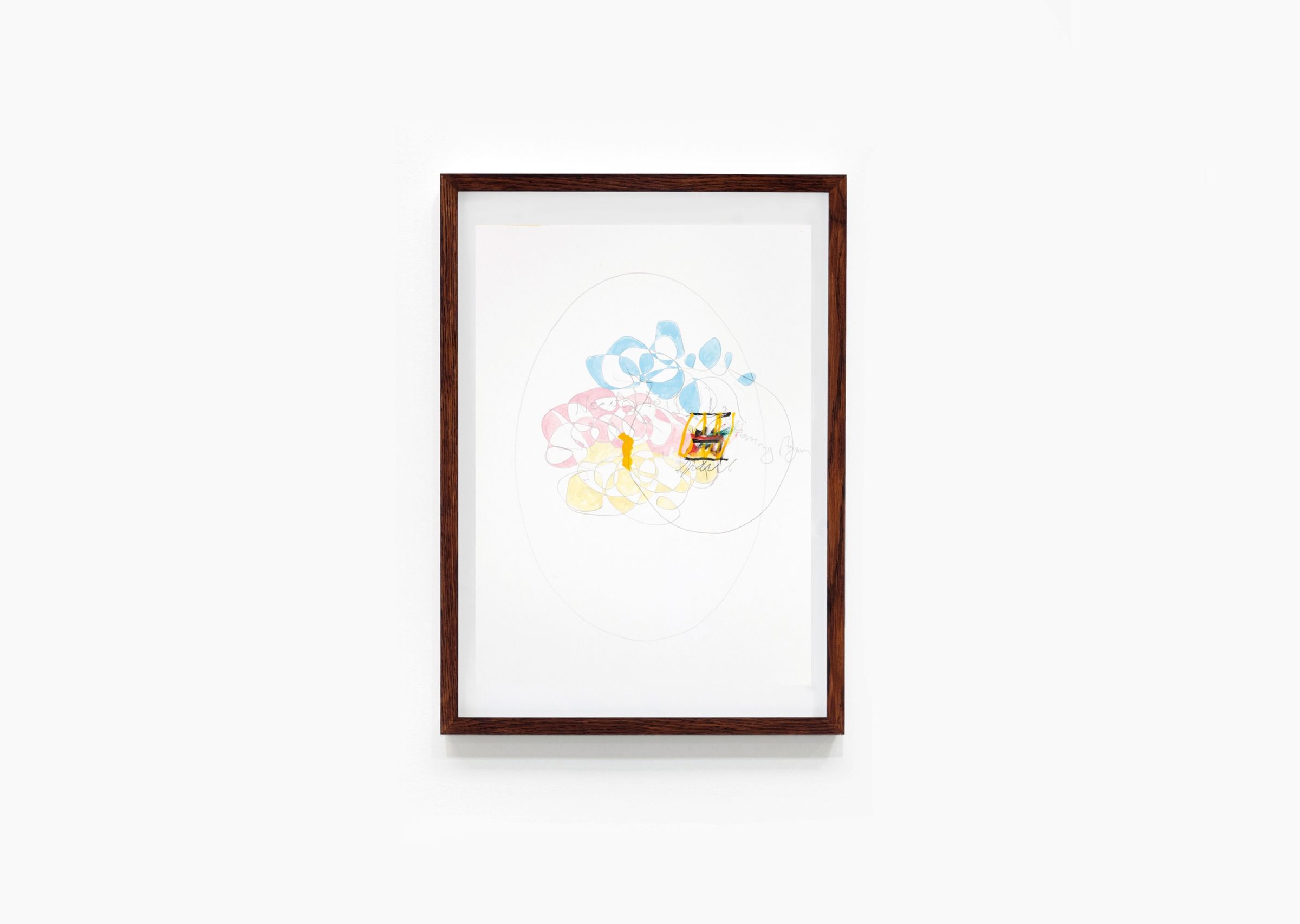
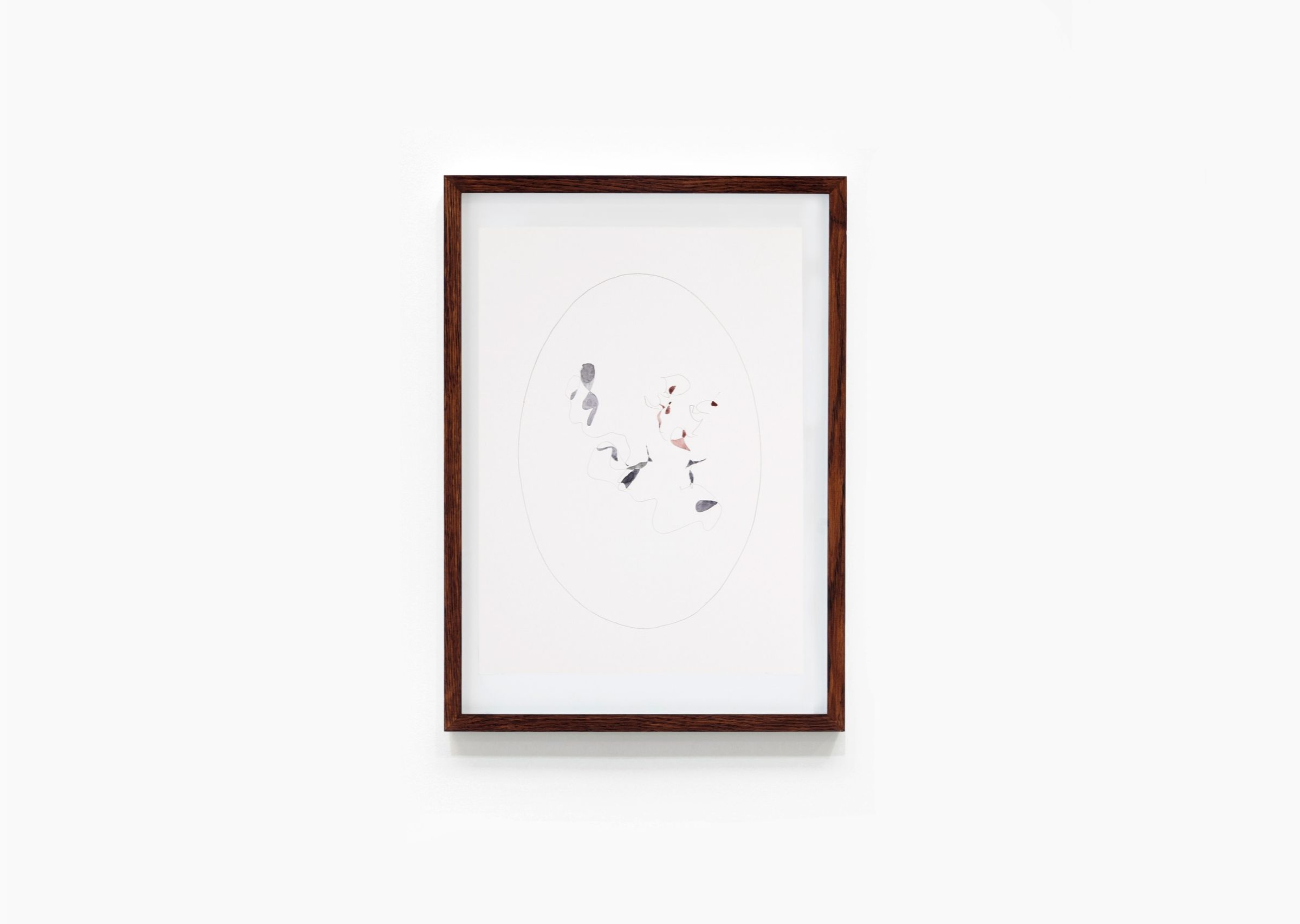
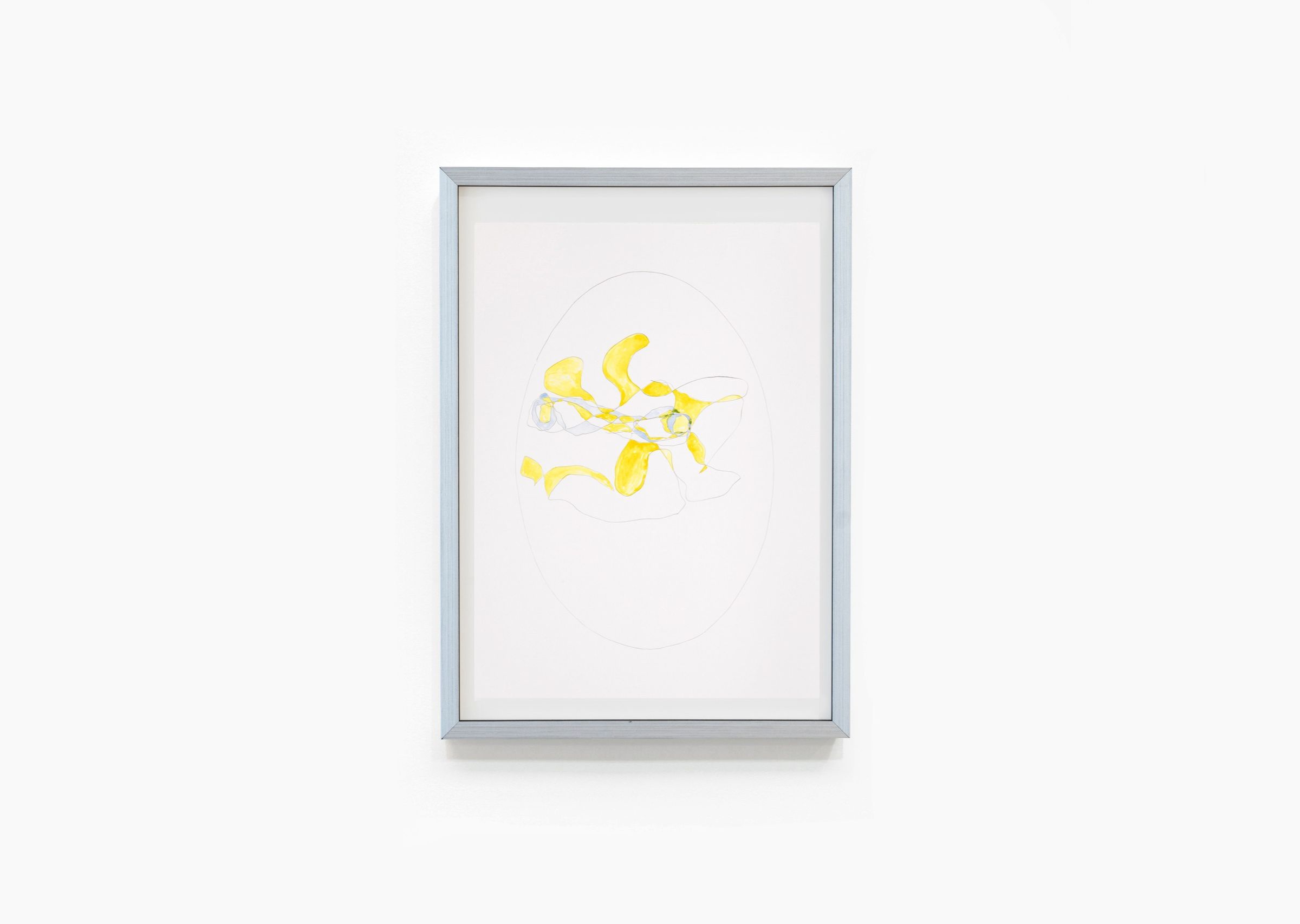
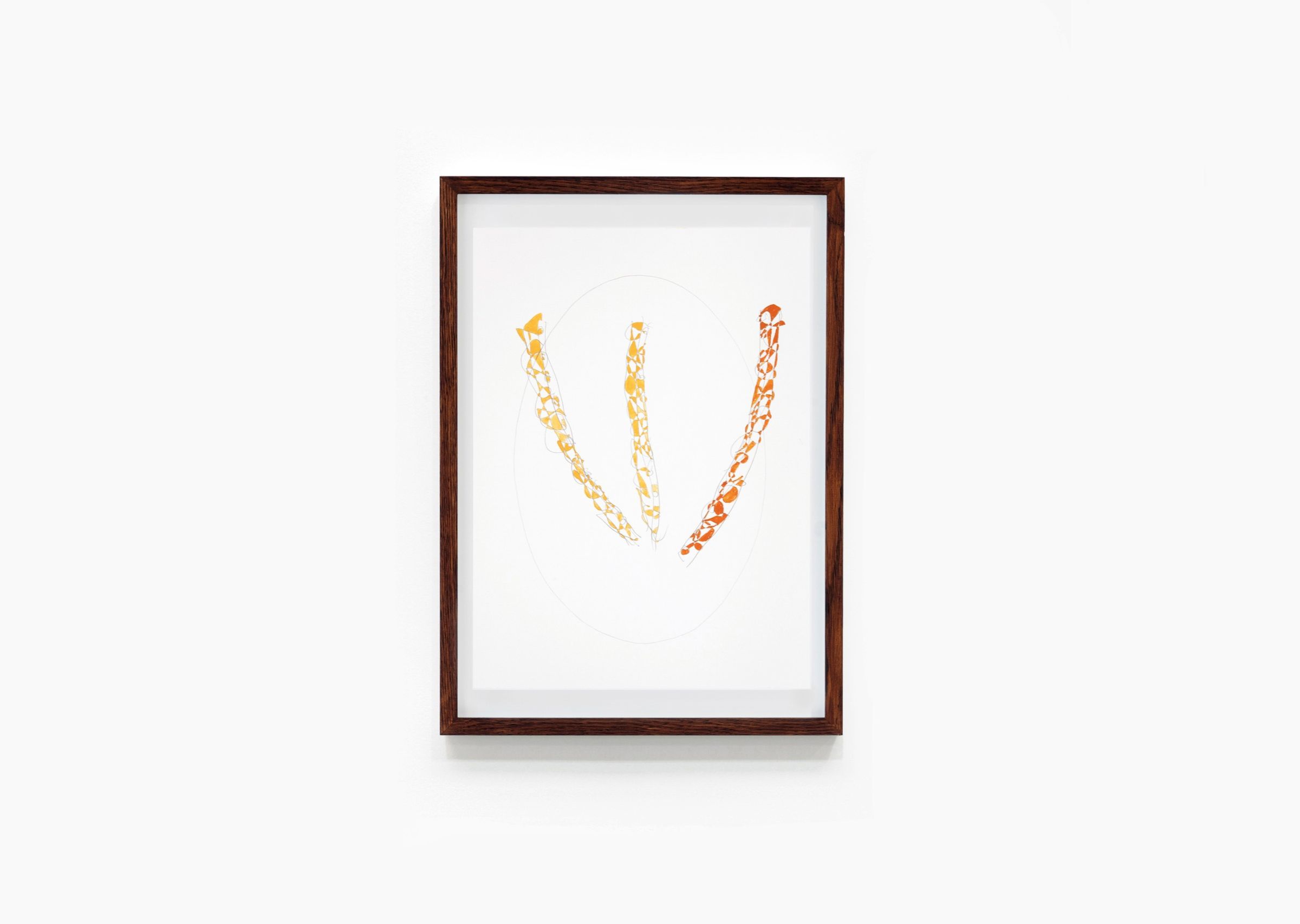
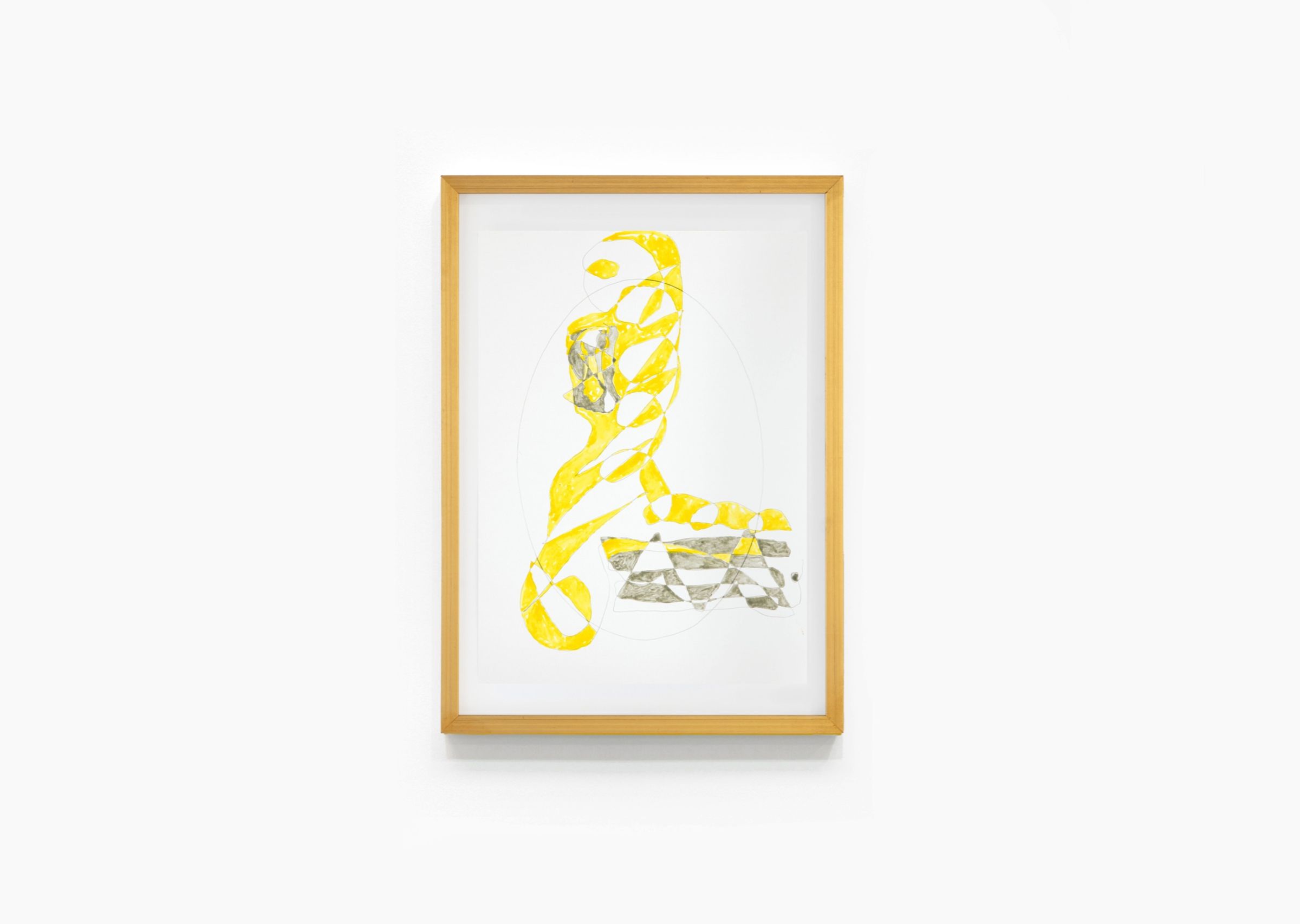
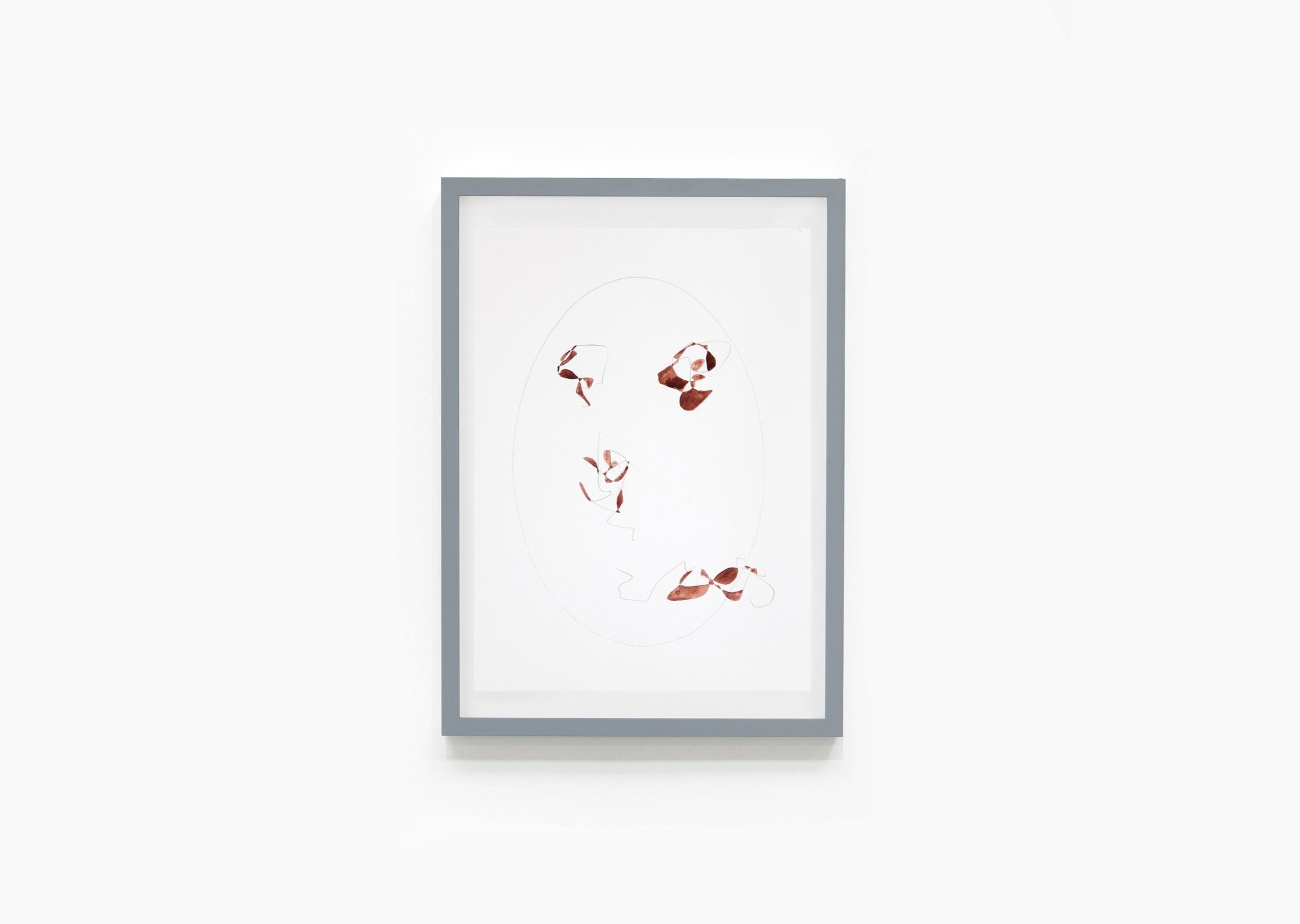
Born in 1941, Richard Tuttle began developing an artistic practice in the mid-1960s on the fringes of Minimalism and Conceptual Art, adopting a more intuitive and poetic approach that favours freedom of form and the use of simple materials. Playing with scale, Tuttle lends a monumental dimension to small-scale works, turning their apparent fragility into a strength. Drawing also plays a central role in his work, both as a starting point for his sculptures and as an autonomous practice.
Art institutions took an early interest in Tuttle’s work and played a pivotal role in establishing his reputation. In 1969, he participated in two landmark exhibitions: When Attitudes Become Form, curated by Harald Szeemann at the Kunsthalle Bern, and Anti-Illusion: Procedures/Materials at the Whitney Museum in New York. In 1975, Marcia Tucker, then a curator at the Whitney, devoted a major solo exhibition to his work. Controversial at the time and running counter to prevailing aesthetic trends, the exhibition marked a turning point in his career.
In Europe, his work attracted growing interest, as evidenced by his participation in three consecutive editions of documenta in Kassel (1972, 1977 and 1982), an exhibition focusing on his drawings at the Museum Abteiberg in Mönchengladbach (1983–1984), and a solo exhibition at the Musée d’Art moderne de la Ville de Paris (1986–1987).
In 2005, the San Francisco Museum of Modern Art presented a major retrospective bringing together nearly 300 works, which subsequently travelled to several American museums, including the Whitney Museum (2005–2006). His international recognition was further consolidated by a major exhibition at the Whitechapel Gallery in London (2014), accompanied by a monumental installation in Tate Modern’s Turbine Hall (2014–2015).
The year 2026 has been marked by two major exhibitions: Half-Light at Dia Beacon in New York State, and Almost Sky, conceived in collaboration with architect Jun Aoki, at the Tokyo Opera City Art Gallery in Japan.